Let’s discuss the issues with converting a modern aeroderivative gas turbine that runs on natural gas to run on hydrogen.
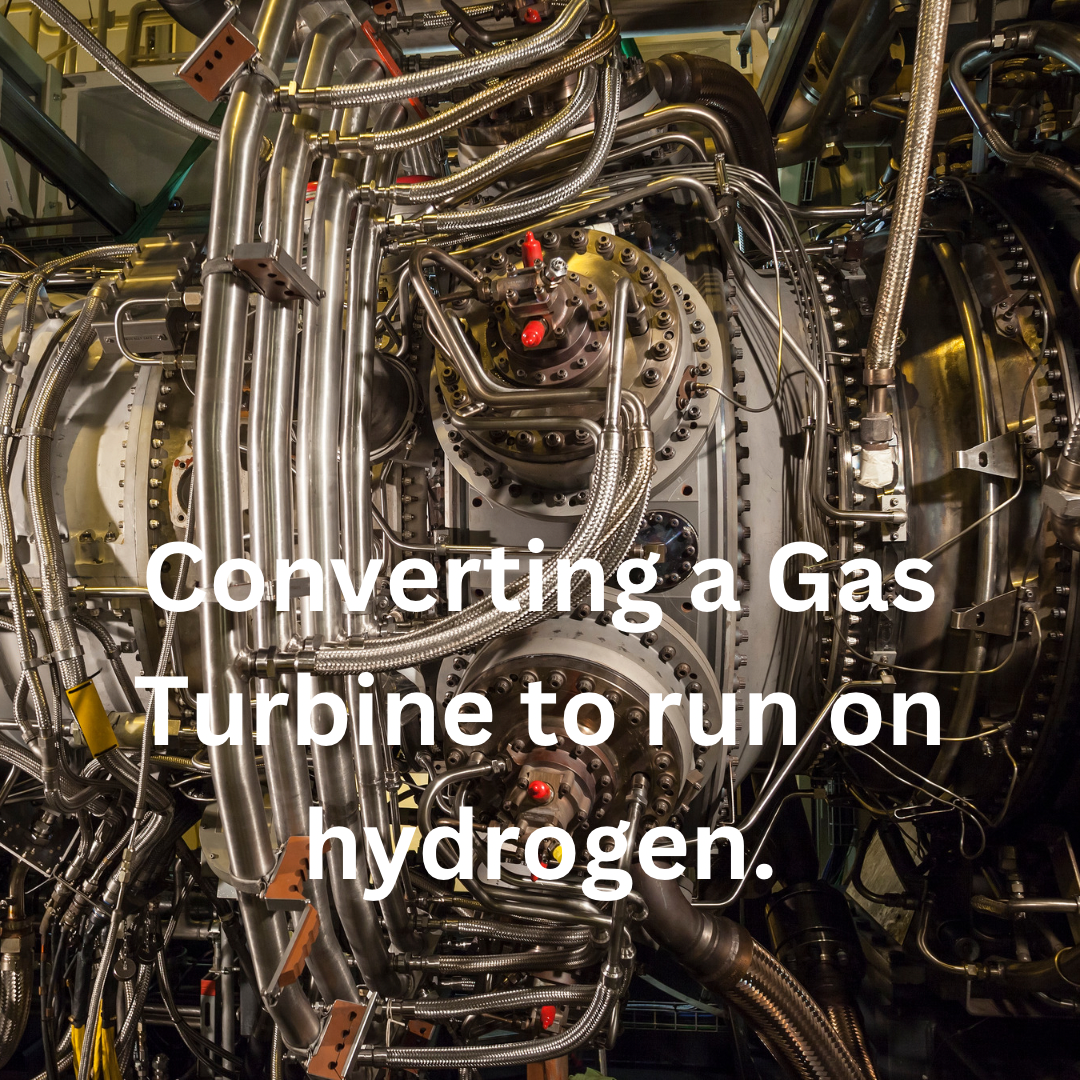
Converting a modern aeroderivative gas turbine to run on hydrogen involves several technical challenges and considerations. While hydrogen is a promising alternative fuel due to its clean-burning properties and potential for decarbonization, there are several issues that need to be addressed in the conversion process. Here are some key points to consider:
- Fuel Properties: Hydrogen has significantly different combustion characteristics compared to natural gas. It has a higher flame speed, wider flammability range, and a lower ignition energy. These properties can affect the overall combustion dynamics and stability within the gas turbine.
- Material Compatibility: Hydrogen presents unique challenges in terms of material compatibility. It can cause embrittlement in some metals, particularly at high pressures and temperatures. Special attention must be given to the turbine’s components, including the combustor, turbine blades, and other hot gas path parts, to ensure they can withstand hydrogen’s effects over the long term.
- Combustion System Modifications: The combustion system of the gas turbine would need modifications to accommodate hydrogen fuel. The fuel injection and mixing mechanisms may need to be redesigned to achieve proper fuel-air mixing, maintain flame stability, and mitigate potential issues like flashback or lean blowout.
- Safety Considerations: Hydrogen has a wide flammability range and is highly combustible, which poses safety concerns during handling, storage, and transportation. Adequate safety measures, such as proper ventilation, leak detection systems, and explosion prevention mechanisms, need to be implemented in the gas turbine system to ensure safe operation.
- Control System and Performance Optimization: The control system of the gas turbine would require adjustments to account for the different combustion characteristics of hydrogen. Optimizing the turbine’s performance parameters, such as power output, efficiency, emissions, and transient response, would also be necessary.
- Infrastructure and Fuel Supply: Converting a gas turbine to run on hydrogen requires a reliable and sufficient hydrogen supply infrastructure. Currently, hydrogen infrastructure is less developed compared to natural gas. Availability, cost, and logistics associated with the hydrogen supply chain must be considered when evaluating the feasibility of the conversion.
- Emissions and Environmental Impact: Hydrogen combustion produces no carbon dioxide (CO2) emissions, offering potential environmental benefits. However, other emissions, such as nitrogen oxides (NOx), may increase or change in their composition. The overall environmental impact of hydrogen as a fuel depends on the source of hydrogen production (e.g., green hydrogen from renewable sources vs. gray hydrogen from fossil fuels).
- Cost and Economic Viability: The conversion process can be complex and costly, requiring significant engineering modifications and potentially impacting the overall efficiency and performance of the gas turbine. The economic viability of the conversion should be carefully evaluated, considering the cost of equipment modifications, fuel availability and pricing, and potential operational benefits.
It’s important to note that the issues mentioned above are general considerations, and the specific challenges faced during the conversion process may vary depending on the gas turbine model and design. Detailed engineering studies and assessments are necessary to determine the feasibility, cost-effectiveness, and safety aspects of converting a gas turbine to run on hydrogen.
 Energy Risk Engineering Insights