Developing a cooling tower contingency plan for a power plant or refinery is an essential step to ensure the uninterrupted operation of the facility and prevent potential downtime or damage. Here are the key considerations and steps to develop such a plan:
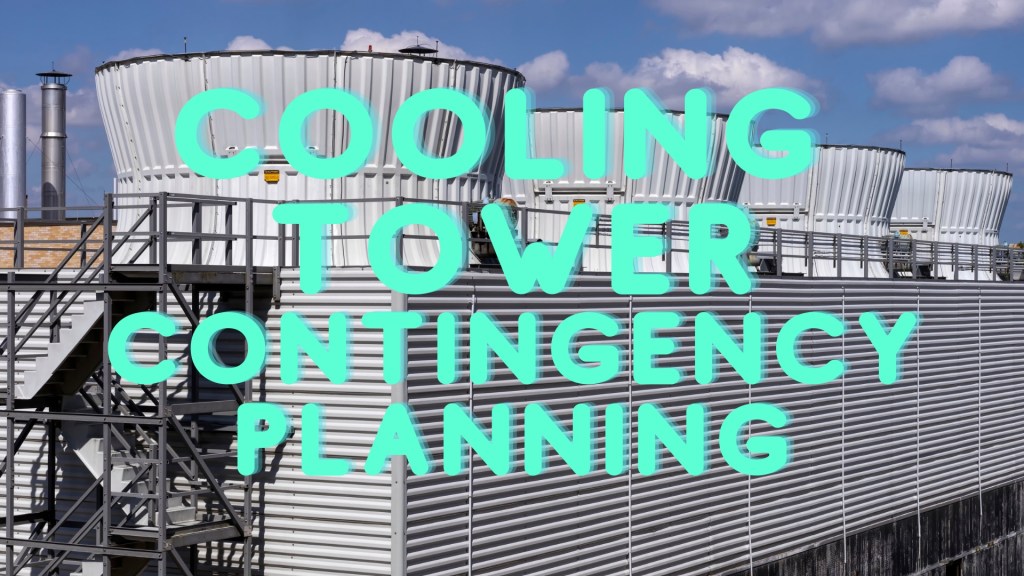
- Risk Assessment: Begin by conducting a thorough risk assessment of the cooling tower system. Identify potential risks, such as equipment failures, power outages, water supply issues, extreme weather conditions, and other relevant factors that could impact the cooling tower’s performance.
- Objectives and Priorities: Clearly define the objectives of the contingency plan. These objectives may include minimizing downtime, maintaining the cooling tower’s efficiency, protecting critical equipment, ensuring safety, and complying with environmental regulations. Prioritize these objectives based on their significance and potential impact on operations.
- Emergency Response Team: Establish an emergency response team comprising key personnel from various departments, including operations, maintenance, engineering, safety, and management. Define the roles and responsibilities of each team member and establish communication channels to ensure effective coordination during emergencies.
- Emergency Procedures: Develop comprehensive emergency procedures that outline the steps to be taken in various scenarios. These procedures should include the identification of potential issues, immediate response actions, shutdown protocols, communication protocols, and contingency measures to mitigate the impact of a cooling tower failure.
- Backup Power Supply: Install backup power supplies, such as generators or uninterruptible power supply (UPS) systems, to ensure continuous power in case of a power outage. Test and maintain these backup systems regularly to ensure their reliability.
- Water Supply: Identify alternative water sources in case the primary water supply for the cooling tower is compromised. This may include backup water storage tanks, alternative water supply lines, or arrangements with nearby water sources.
- Maintenance and Inspection: Implement a rigorous maintenance and inspection program for the cooling tower system. Regularly monitor the tower’s performance, conduct preventive maintenance, and inspect critical components to identify potential issues before they escalate into emergencies.
- Training and Drills: Conduct regular training sessions and emergency drills for the emergency response team and relevant personnel. This will ensure that everyone understands their roles, is familiar with the emergency procedures, and can respond effectively during a contingency.
- Communication and Notification: Establish a robust communication system to alert all relevant stakeholders during an emergency. This may involve implementing notification systems, such as alarms, sirens, or automated alerts, and ensuring that all personnel are aware of the communication protocols to follow.
- Review and Update: Periodically review and update the contingency plan to incorporate any changes in equipment, processes, regulations, or lessons learned from past incidents. Stay updated on industry best practices and technological advancements that can enhance the effectiveness of the plan.
Remember, developing a cooling tower contingency plan is a complex task that requires the involvement of various stakeholders and continuous monitoring and improvement. It is advisable to seek guidance from experts in the field, such as engineers and safety professionals, to ensure the plan is comprehensive and tailored to the specific requirements of your power plant or refinery.
 Energy Risk Engineering Insights