Let’s discuss building an administrative system to track the location and service of blind flanges during turnarounds at a petrochemical plant. This administrative system will help ensure efficient management and maintenance of blind flanges, improving the overall turnaround process. Here are some key considerations:
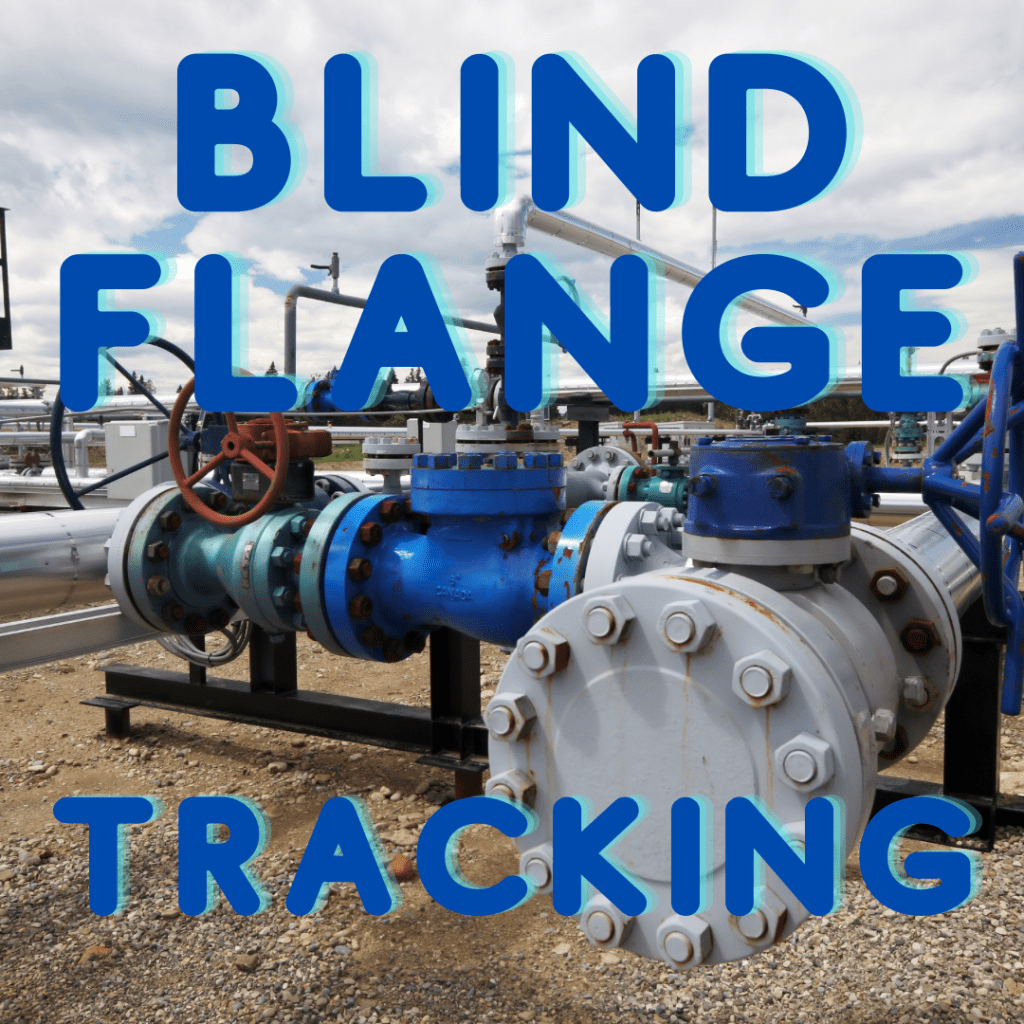
- Inventory Management: The administrative system should include an inventory management module to track all blind flanges present in the plant. Each blind flange should be uniquely identified and recorded in the system, along with relevant information such as size, pressure rating, material, and manufacturer details.
- Location Tracking: The system should allow for the tracking of blind flange locations within the plant. This can be achieved by assigning specific storage locations or areas to each blind flange and updating the system whenever a flange is moved or installed in a pipeline or vessel.
- Turnaround Planning: The administrative system should facilitate turnaround planning by providing a scheduling module. This allows users to schedule the servicing or replacement of blind flanges based on maintenance requirements, regulatory compliance, or operational needs. The system should provide alerts and notifications for upcoming service tasks to ensure timely action.
- Work Order Management: The system should support work order management, enabling the creation, assignment, and tracking of work orders related to blind flanges. Work orders can include tasks such as inspection, cleaning, maintenance, repair, or replacement of blind flanges during turnarounds. The system should track the status of each work order and provide updates to relevant personnel.
- Documentation and Record Keeping: The administrative system should facilitate proper documentation and record keeping of blind flange maintenance activities. This includes storing maintenance reports, inspection findings, test results, and any other relevant documents. Having a centralized repository of information simplifies data retrieval and aids in historical analysis and audit purposes.
- Reporting and Analytics: The system should offer reporting capabilities to generate various reports on blind flange activities, such as inventory status, maintenance history, service completion rates, and turnaround performance. Analytics features can help identify trends, optimize maintenance schedules, and improve overall turnaround efficiency.
- Integration and Collaboration: The administrative system should support integration with other plant systems, such as enterprise asset management systems, maintenance management systems, or electronic document management systems. Seamless data exchange and collaboration among different systems enhance overall operational effectiveness.
- User-Friendly Interface: The system should have an intuitive and user-friendly interface, making it easy for plant personnel to access and navigate. Training and support should be provided to ensure that users can effectively utilize the system and perform their tasks efficiently.
By implementing an administrative system with these features, the plant can effectively track the location and service of blind flanges during turnarounds, improve maintenance planning, and enhance the overall management of these critical components.
 Energy Risk Engineering Insights