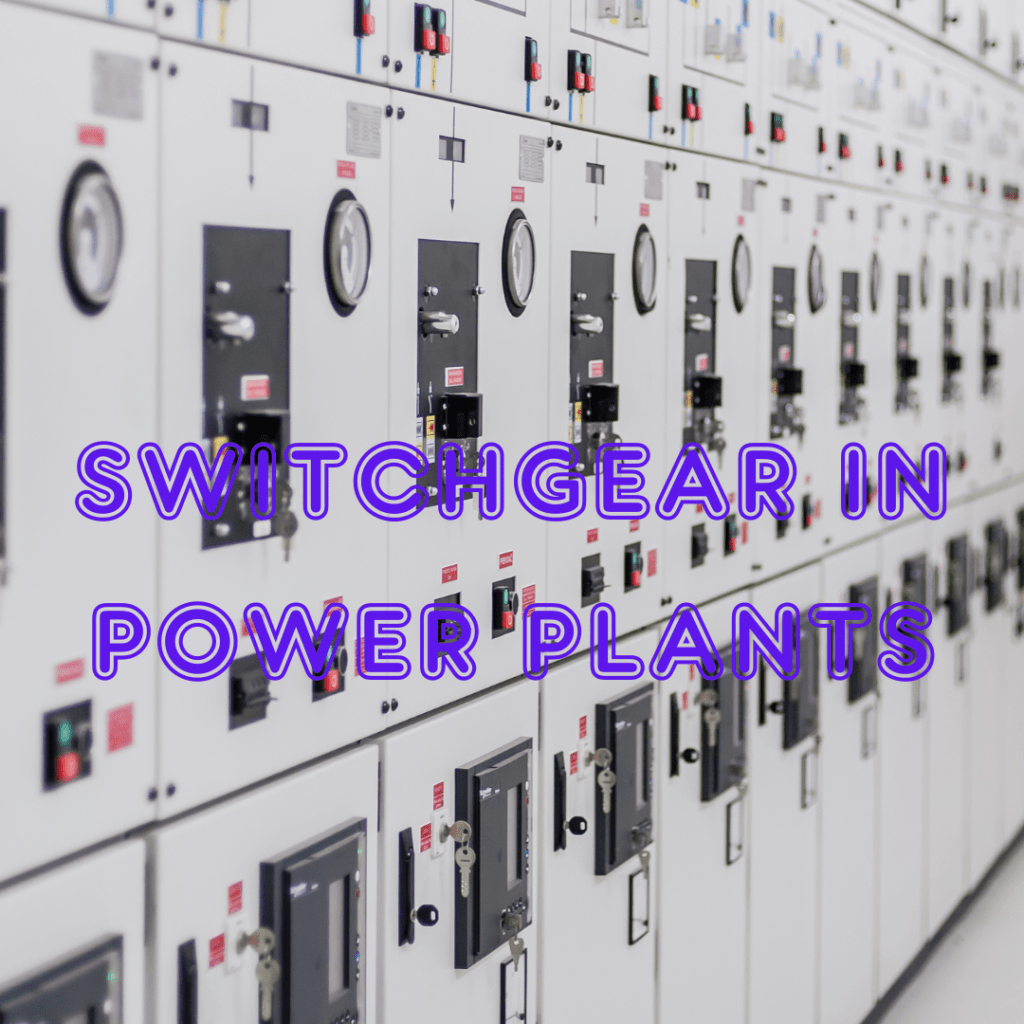
Let’s discuss switchgear in a power plant.
Switchgear plays a crucial role in power plants by ensuring the safe and efficient operation of electrical systems. It includes a combination of electrical disconnect switches, circuit breakers, fuses, and other protective devices used to control, protect, and isolate electrical equipment.
Here are some key aspects to consider when discussing switchgear in a power plant:
- Purpose: Switchgear is designed to control and protect electrical equipment, such as generators, transformers, and distribution panels. It allows operators to control the flow of electricity, isolate faulty equipment, and provide protection against electrical faults, such as short circuits or overloads.
- Components: Switchgear typically consists of various components, including circuit breakers, disconnect switches, relays, control panels, busbars, and protective devices like fuses or current transformers. These components work together to provide control, protection, and monitoring of electrical systems.
- Types of Switchgear: Switchgear can be categorized into several types based on their design and applications. Some common types include:
- Low-voltage (LV) Switchgear: Used for voltages up to 1,000 volts (V) in power distribution and motor control centers.
- Medium-voltage (MV) Switchgear: Handles voltages from 1,000 V to around 35,000 V and is used in power distribution systems, switchyards, and industrial applications.
- High-voltage (HV) Switchgear: Designed for voltages above 35,000 V and is used in power transmission and large-scale power distribution systems.
- Gas-insulated Switchgear (GIS): Utilizes sulfur hexafluoride (SF6) gas as an insulating medium, enabling compact and reliable designs for high-voltage applications.
- Air-insulated Switchgear (AIS): Relies on air as the insulation medium and is commonly used in low-voltage and medium-voltage applications.
- Functions: Switchgear serves multiple functions within a power plant, including:
- Control: It enables operators to control the operation of electrical equipment, such as turning on or off generators or sections of a power distribution network.
- Protection: Switchgear incorporates protective devices like circuit breakers or relays to detect and isolate faults, preventing damage to equipment and ensuring the safety of personnel.
- Isolation: It allows specific equipment or sections of a power system to be isolated for maintenance or repair, ensuring the safety of maintenance personnel and preventing disruptions to the entire system.
- Monitoring: Switchgear often includes monitoring devices to measure electrical parameters, monitor equipment status, and provide data for diagnostics and maintenance purposes.
- Safety Considerations: Switchgear installations must adhere to stringent safety standards and protocols to ensure the protection of personnel and equipment. This includes proper grounding, adequate clearances, appropriate labeling, and adherence to safety guidelines during maintenance or operation.
It’s important to note that switchgear design and specifications can vary depending on the specific requirements of the power plant and the voltage levels involved. Advanced technologies, such as digital monitoring and automation, are also being incorporated into modern switchgear to enhance its performance and reliability.
 Energy Risk Engineering Insights