
Let’s discuss automated fire protection system testing.
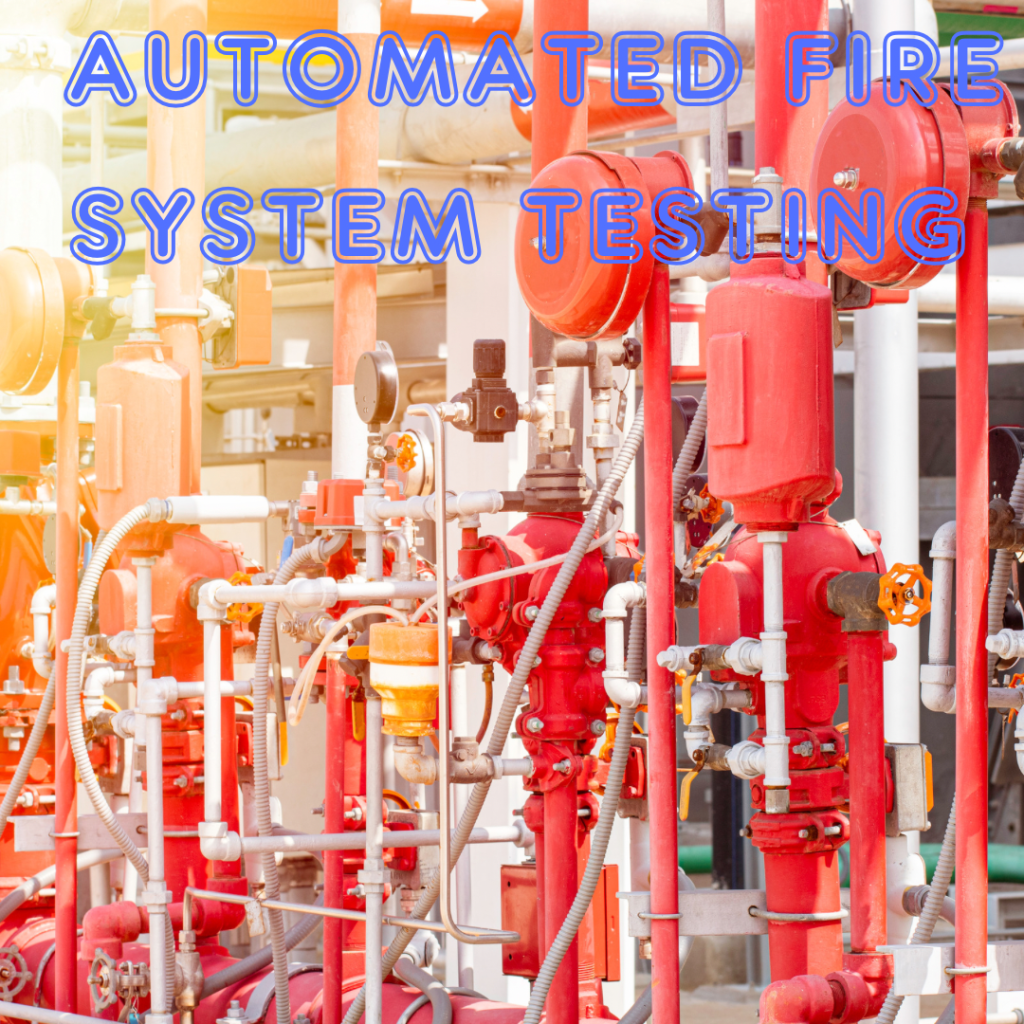
Automated fire protection system testing is an important aspect of ensuring the reliability and effectiveness of fire safety measures in buildings and facilities. These systems are designed to detect and respond to fire incidents, helping to protect lives and property. Regular testing and maintenance are crucial to ensure that these systems are functioning as intended.
Automated fire protection system testing involves the use of advanced technology and automated processes to test various components and functions of fire protection systems. Here are some key points to consider:
- Types of Fire Protection Systems: There are different types of fire protection systems, including fire alarms, sprinkler systems, smoke detectors, fire suppression systems (such as water mist, foam, or gas-based systems), and emergency lighting. Each system has its own specific testing requirements.
- Testing Methods: Automated testing systems use sophisticated tools and equipment to simulate fire events and monitor the response of fire protection systems. These tests can include functional tests, performance tests, and reliability tests.
- Benefits of Automation: Automated testing offers several advantages over manual testing. It reduces the dependency on human intervention, increases testing accuracy and consistency, saves time, and provides comprehensive documentation of the testing process.
- Compliance and Standards: Fire protection systems must comply with applicable codes, regulations, and standards, such as the National Fire Protection Association (NFPA) codes, International Building Code (IBC), and local fire safety regulations. Automated testing can help ensure compliance by providing detailed reports and documentation.
- Frequency of Testing: The frequency of automated fire protection system testing depends on various factors, including the type of system, occupancy type, and local regulations. Regular testing intervals can range from weekly to annually, and specific requirements may vary for different components of the system.
- Maintenance and Repairs: Automated testing can also help identify maintenance needs and potential issues with the fire protection system. Timely maintenance and repairs are essential to keep the system in optimal working condition and to address any detected deficiencies.
- Recordkeeping and Documentation: Automated testing systems typically generate detailed reports and documentation of the testing process, including test results, system performance data, and any identified issues or recommendations. These records are important for compliance, insurance purposes, and future reference.
It’s important to note that while automated testing can streamline the process and improve efficiency, it should not replace regular inspections and maintenance conducted by qualified professionals. Fire protection system testing should always be performed by certified individuals or companies with expertise in fire safety regulations and equipment.
Remember to consult local fire safety authorities, relevant codes, and regulations for specific requirements and guidelines regarding automated fire protection system testing in your area.
 Energy Risk Engineering Insights