Let’s discuss the use of Automated External Defibrillators in power plants and refineries.
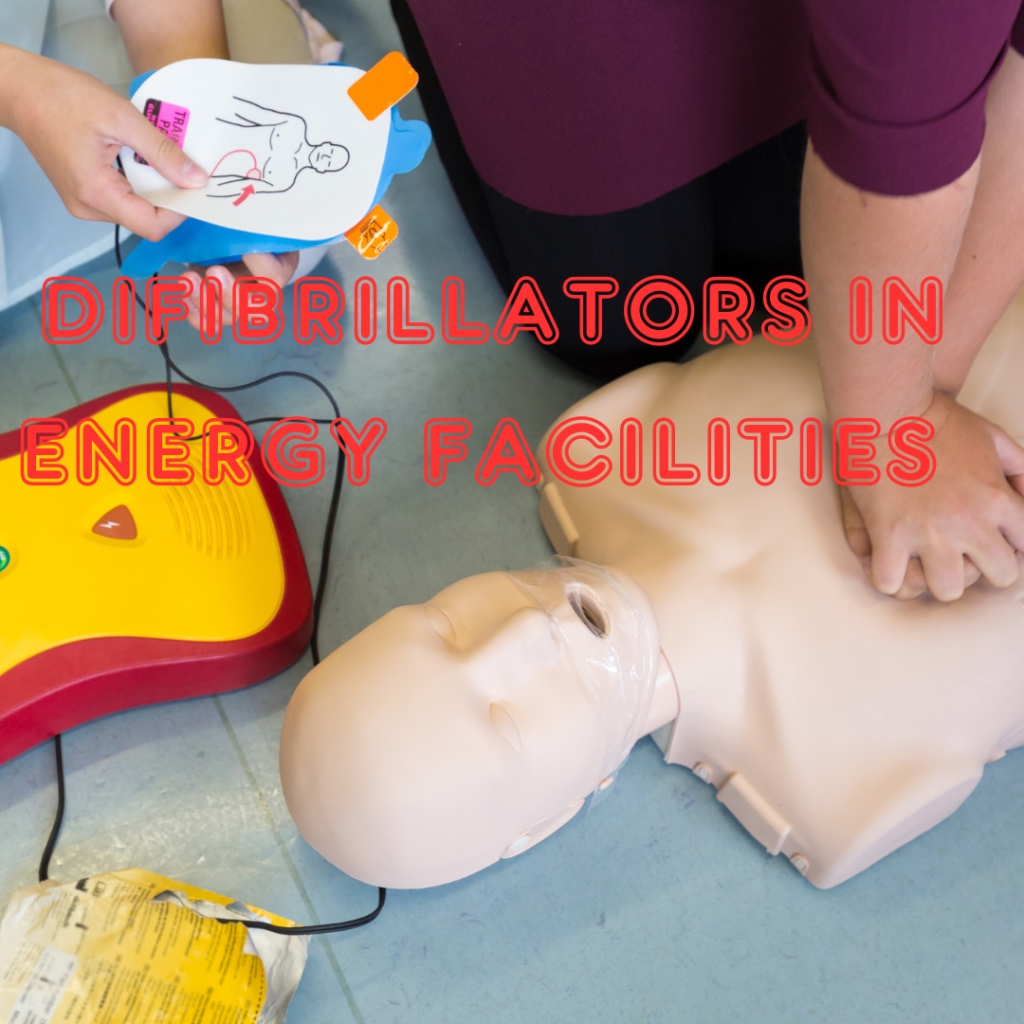
The use of Automated External Defibrillators (AEDs) in power plants and refineries can be crucial in enhancing workplace safety and responding effectively to cardiac emergencies. An AED is a portable electronic device that analyzes a person’s heart rhythm and, if necessary, delivers an electric shock to restore a normal heartbeat.
Here are some key points to consider regarding the use of AEDs in power plants and refineries:
- Cardiac emergencies: Power plants and refineries are often large and complex industrial facilities with a considerable number of employees working in various areas. In such environments, the risk of cardiac emergencies, such as sudden cardiac arrest (SCA), cannot be entirely eliminated. Having AEDs readily available can significantly increase the chances of saving lives in such situations.
- Early defibrillation: Time is of the essence when it comes to treating SCA. For every minute that passes without defibrillation, the survival rate decreases by about 7-10%. With AEDs strategically placed throughout the facility, employees can quickly access them and provide immediate defibrillation before medical professionals arrive on the scene.
- User-friendly design: AEDs are designed to be user-friendly, even for individuals without extensive medical training. They typically include clear visual and audio prompts that guide the user through the steps of performing CPR and using the device. This makes it possible for trained personnel and even bystanders to use the AED effectively during an emergency.
- Training and awareness: It is essential to provide proper training to employees on the location and use of AEDs. Conducting regular CPR and AED training sessions can help familiarize personnel with the devices, build confidence, and ensure they are prepared to respond promptly in case of an emergency. Additionally, raising awareness about the presence and importance of AEDs in the workplace can encourage a culture of safety and readiness.
- Maintenance and oversight: AEDs should be regularly maintained and checked to ensure they are in proper working condition. This includes routine checks of battery life, pad expiration dates, and overall functionality. Implementing a system of scheduled inspections and maintenance can help ensure that the AEDs are always ready for use.
- Emergency response plans: Power plants and refineries should have well-defined emergency response plans that incorporate the use of AEDs. These plans should outline the roles and responsibilities of designated responders, communication protocols, and coordination with external emergency medical services. Regular drills and exercises can help assess the effectiveness of the emergency response plans and identify areas for improvement.
It is important to note that while AEDs can be a valuable tool in responding to cardiac emergencies, they should always be used in conjunction with appropriate emergency medical services. AEDs are designed to be a critical first response measure, but they are not a substitute for professional medical care.
 Energy Risk Engineering Insights