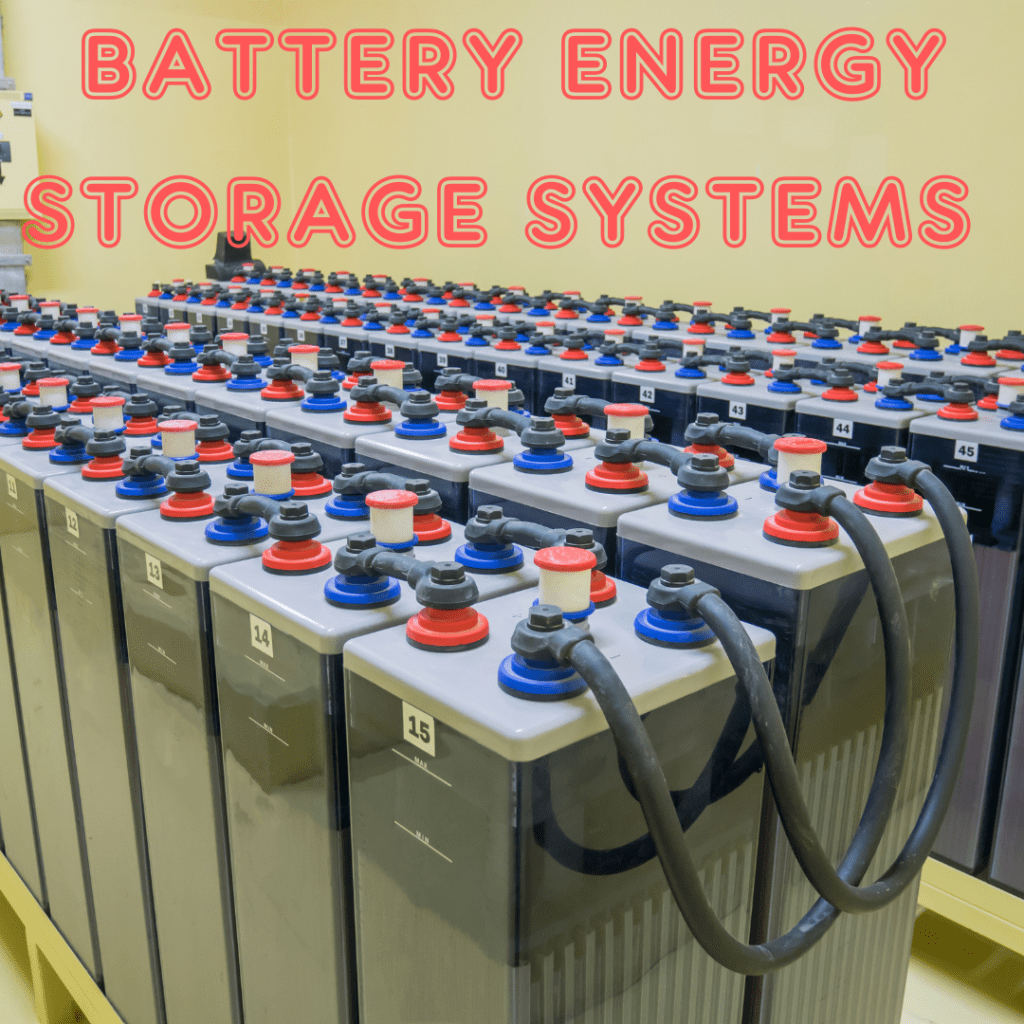

Let’s discuss the risks associated with battery energy storage systems.
Battery energy storage systems (BESS) offer numerous benefits for energy storage and grid management. However, like any technology, they come with their own set of risks. Here are some of the key risks associated with battery energy storage systems:
- Fire and Thermal Runaway: Lithium-ion batteries, commonly used in BESS, can be susceptible to thermal runaway, where a single cell failure can rapidly propagate to other cells, leading to a fire or explosion. Adequate safety measures, such as proper thermal management systems and fire suppression systems, must be in place to minimize this risk.
- Environmental Impact: The extraction and disposal of battery materials can have adverse environmental consequences. The mining of metals like lithium and cobalt can contribute to habitat destruction, water pollution, and carbon emissions. Additionally, the improper disposal of batteries can lead to the release of toxic substances into the environment.
- Safety during Maintenance and Operation: BESS systems require regular maintenance and monitoring to ensure optimal performance. During maintenance activities, there is a risk of electric shock, short circuits, and other hazards. Proper safety protocols, training, and equipment are necessary to mitigate these risks.
- Cybersecurity Vulnerabilities: Battery energy storage systems are often connected to the grid and controlled through software systems. This interconnectivity introduces the risk of cyber attacks that could disrupt operations, compromise data security, or even cause damage to the system. Robust cybersecurity measures, including encryption, authentication, and intrusion detection systems, are essential to safeguard against such threats.
- Grid Reliability and Integration: While BESS can enhance grid stability and enable greater integration of renewable energy sources, their own reliability is critical. A failure in the BESS system could disrupt the grid and impact power supply. Proper design, redundancy, and contingency plans are necessary to ensure the reliability and seamless integration of BESS into the grid infrastructure.
- Economic Viability: The cost of battery energy storage systems, including initial investment, maintenance, and replacement, can be significant. It’s essential to carefully evaluate the economic viability and return on investment, considering factors like energy prices, regulatory frameworks, and technological advancements.
- Resource Constraints: The increasing demand for battery storage could lead to resource constraints, particularly for critical battery materials. A shortage of materials like lithium, cobalt, and nickel could impact the scalability and affordability of BESS. Research and development efforts to explore alternative battery chemistries and recycling technologies are crucial to mitigate this risk.
Addressing these risks requires a multi-faceted approach involving technological advancements, regulatory frameworks, safety standards, and ongoing research and development. As the field of battery energy storage evolves, these risks will likely be better understood and managed to ensure safe and sustainable deployment.
 Energy Risk Engineering Insights