
Let’s discuss Industrial Control Systems in petrochemical and power plants.
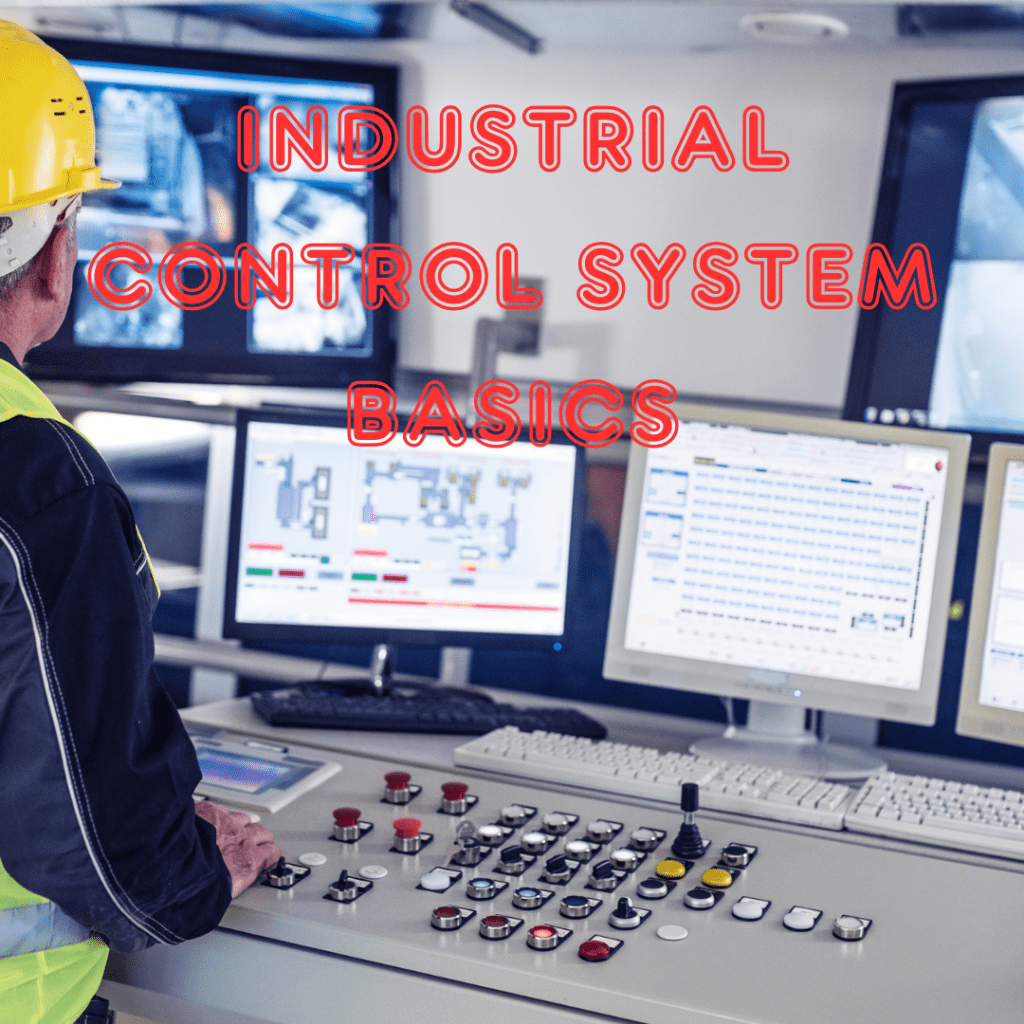
Industrial Control Systems (ICS) play a crucial role in managing and controlling various processes in petrochemical and power plants. These systems are responsible for monitoring and controlling a wide range of equipment and processes, ensuring safe and efficient operations.
In petrochemical plants, ICS are used to control and monitor processes such as refining crude oil, producing chemicals, and managing storage and distribution systems. These systems regulate temperature, pressure, flow rates, and other critical parameters in various stages of the production process. They help maintain operational safety, optimize efficiency, and ensure the quality of the final products.
Power plants, both traditional and renewable, heavily rely on ICS for monitoring and controlling processes such as power generation, transmission, and distribution. These systems manage turbine operation, monitor energy production, regulate grid voltage and frequency, and ensure grid stability. They also enable remote monitoring, diagnostics, and maintenance of critical equipment, reducing downtime and improving overall plant performance.
Key components of ICS in petrochemical and power plants typically include:
- Supervisory Control and Data Acquisition (SCADA) Systems: These systems provide a centralized control interface to monitor and manage various industrial processes. SCADA systems collect real-time data from sensors and devices, display it to operators, and enable control actions to be executed remotely.
- Programmable Logic Controllers (PLCs): PLCs are small industrial computers that control specific processes or equipment. They receive input signals from sensors, execute control logic, and generate output signals to actuate valves, motors, and other devices.
- Distributed Control Systems (DCS): DCS are used to control complex and integrated processes across multiple units or areas within a plant. They consist of multiple controllers distributed throughout the plant, connected via a communication network.
- Human-Machine Interface (HMI): HMIs provide operators with a graphical interface to monitor process data, control devices, and respond to alarms. They present real-time information in a user-friendly format and enable operators to interact with the system.
- Communication Networks: Robust and secure communication networks are essential for connecting various components of the ICS. These networks facilitate data exchange between sensors, controllers, HMIs, and other system components, enabling seamless monitoring and control.
It’s important to note that as industrial systems become more interconnected and digitized, cybersecurity becomes a critical concern. Protecting ICS from cyber threats and ensuring the integrity, availability, and confidentiality of data is of paramount importance. Implementing security measures such as network segmentation, access controls, encryption, and regular security audits are vital to safeguarding industrial control systems in petrochemical and power plants.
 Energy Risk Engineering Insights