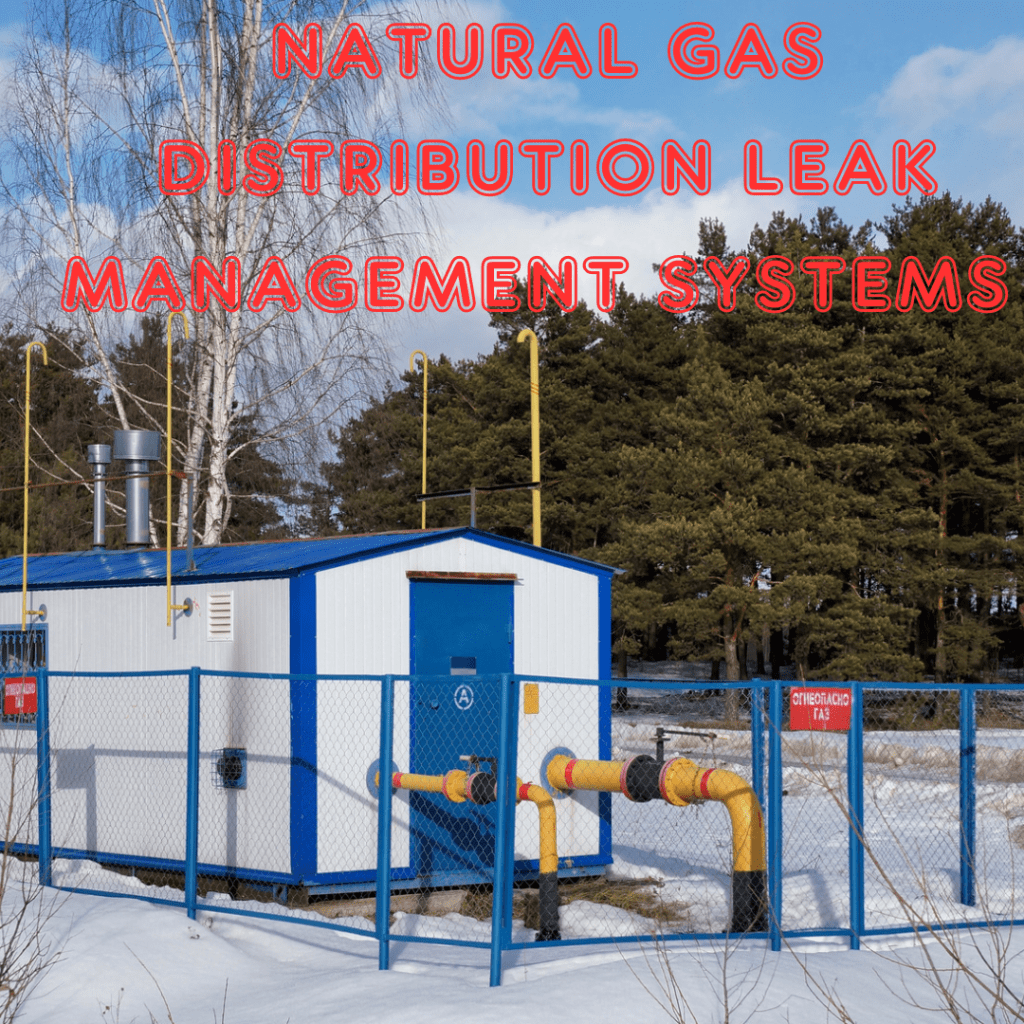
Let’s discuss a leak management system for a gas distribution company that classifies leaks based on degree of hazard to the public. Connect the classification to action times and management reporting levels.

A leak management system for a gas distribution company can be designed to classify leaks based on their degree of hazard to the public. This classification system helps prioritize response actions and enables effective management reporting. Here’s a breakdown of the key components:
- Leak Classification:
- Class 1: Critical Hazard – Leaks that pose an immediate threat to life, health, or property. These leaks require immediate attention and evacuation of the affected area.
- Class 2: Significant Hazard – Leaks that have the potential to escalate into critical hazards if not addressed promptly. They require urgent attention and repair.
- Class 3: Minor Hazard – Leaks that are not immediately dangerous but still require attention to prevent them from escalating. These leaks should be repaired within a reasonable timeframe.
- Action Times:
- Class 1: Immediate Response – Upon detection, emergency protocols should be activated immediately, and response teams should be dispatched without delay. Repair work should commence as soon as possible to eliminate the hazard.
- Class 2: Urgent Response – Response teams should be mobilized promptly, and repair work should be initiated within a short timeframe, typically within a few hours or the same day.
- Class 3: Scheduled Response – While these leaks are not immediate threats, they should still be addressed within a reasonable timeframe. Response and repair can be scheduled based on severity, availability of resources, and the company’s maintenance protocols.
- Management Reporting Levels:
- Level 1: Internal Reporting – All leaks, regardless of their classification, should be reported internally within the gas distribution company. This enables tracking, documentation, and allocation of appropriate resources for response and repairs.
- Level 2: Regulatory Reporting – Class 1 and Class 2 leaks should be reported to the relevant regulatory authorities, as per legal requirements and industry regulations. This ensures compliance and allows authorities to provide oversight and assistance if needed.
- Level 3: Public Communication – Class 1 leaks, being critical hazards, often require public communication to ensure the safety of the affected communities. Transparent and timely communication helps in providing guidance, updates, and reassurance to the public during such incidents.
By implementing this leak management system, the gas distribution company can effectively prioritize response actions based on the degree of hazard to the public. It also enables accurate reporting at different levels, ensuring compliance with regulations, and promoting public safety through timely communication.
 Energy Risk Engineering Insights