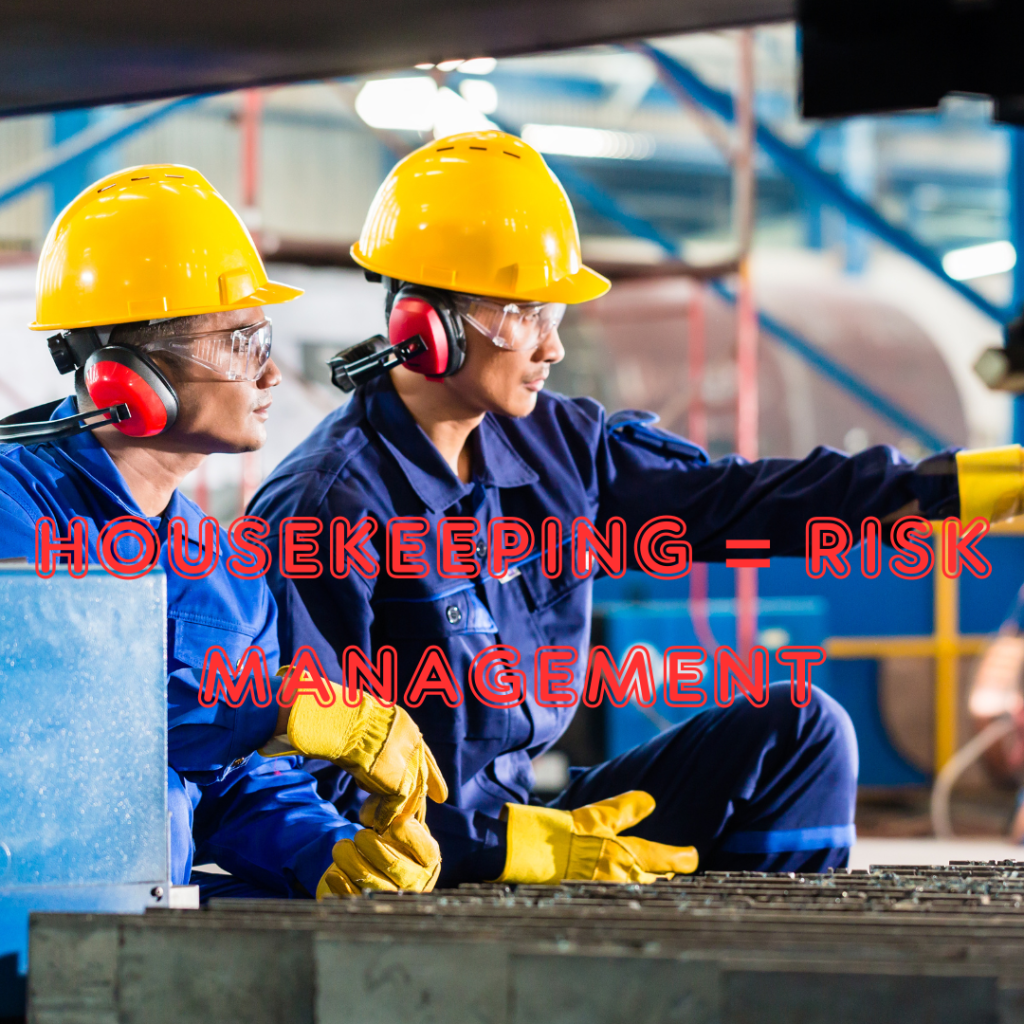
Let’s discuss what is meant by “housekeeping” in petrochemical and power plants. Explain how it impacts risk and how insurance companies use housekeeping as an indirect indicator of risk management at the facility.

In the context of petrochemical and power plants, “housekeeping” refers to the practices and procedures employed to maintain cleanliness, orderliness, and safety within the facility. It involves regular cleaning, organizing, and maintenance tasks aimed at preventing accidents, mitigating risks, and ensuring optimal operational conditions.
Housekeeping plays a crucial role in managing risks in these industrial settings. Here’s how it impacts risk:
- Accident Prevention: Good housekeeping practices reduce the likelihood of slips, trips, falls, and other workplace accidents. By keeping the facility clean and well-maintained, potential hazards such as oil spills, loose cables, obstructions, and uneven surfaces can be minimized.
- Fire Safety: Proper housekeeping minimizes the risk of fire incidents. Removing flammable materials, maintaining clear pathways, and ensuring the availability and proper storage of fire-fighting equipment are vital for fire prevention.
- Equipment Performance: Regular cleaning and maintenance of machinery and equipment help to prevent breakdowns and malfunctions, reducing the risk of accidents and production interruptions. Effective housekeeping ensures that equipment is operating efficiently and within safe parameters.
- Environmental Protection: Housekeeping practices can also contribute to environmental risk management. Proper disposal of hazardous materials, effective waste management, and preventing leaks or spills help to mitigate the potential for environmental contamination.
Insurance companies assess various factors to determine the level of risk associated with a facility and its operations. Housekeeping is one of the indicators they consider, as it provides insights into the overall risk management practices implemented by the facility. Here’s how insurance companies use housekeeping as an indirect indicator of risk management:
- Risk Assessment: Insurance underwriters evaluate the housekeeping practices during their risk assessment process. They may consider factors such as cleanliness, organization, compliance with safety regulations, and the presence of maintenance programs.
- Loss History: Insurance companies may analyze the facility’s past loss history to assess the frequency and severity of incidents. Poor housekeeping resulting in accidents or equipment failures may indicate inadequate risk management practices, which can impact insurance premiums or terms.
- Maintenance Programs: Effective housekeeping practices often correlate with well-implemented maintenance programs. Insurance companies look for evidence of preventive maintenance schedules, regular equipment inspections, and proper record-keeping, as these practices demonstrate proactive risk management.
- Compliance with Regulations: Compliance with safety and environmental regulations is essential for insurance coverage. A facility that demonstrates good housekeeping practices is more likely to be compliant with these regulations, reducing the risk of penalties, fines, or legal issues.
In summary, housekeeping in petrochemical and power plants refers to the maintenance of cleanliness and safety within the facility. It impacts risk by preventing accidents, enhancing fire safety, optimizing equipment performance, and protecting the environment. Insurance companies consider housekeeping as an indirect indicator of risk management quality, evaluating it alongside other factors to assess insurance premiums, coverage terms, and overall insurability of the facility.
 Energy Risk Engineering Insights