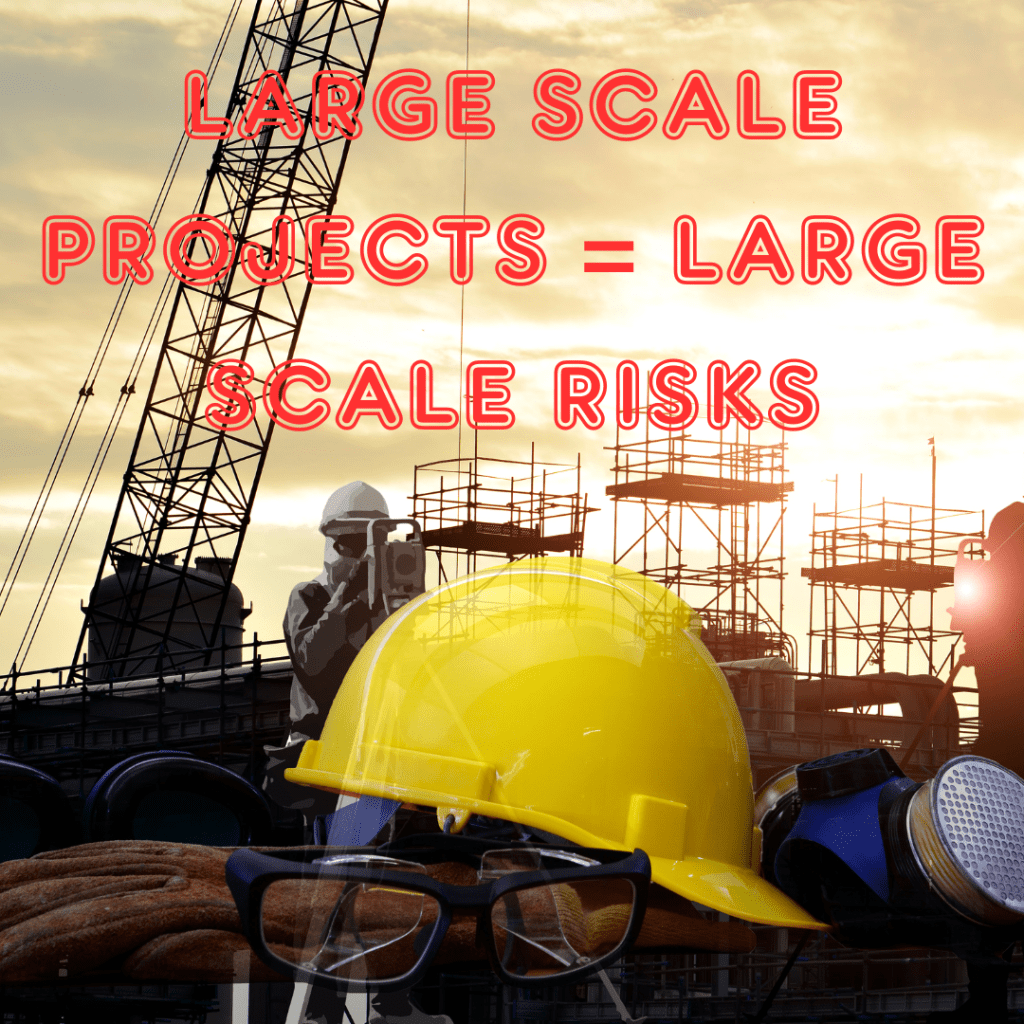
Let’s discuss construction risks for a large ($500M) project to build a petrochemical or power plant.

Constructing a large-scale project like a petrochemical or power plant involves various risks that need to be carefully managed. Here are some common construction risks associated with such projects:
- Cost Overruns: Construction projects of this magnitude are susceptible to cost overruns due to factors like unforeseen site conditions, design changes, material price fluctuations, labor shortages, and delays. Proper cost estimation, contingency planning, and diligent project management are crucial to mitigate this risk.
- Schedule Delays: Delays in construction can result from a range of factors, including adverse weather conditions, labor disputes, regulatory hurdles, equipment failures, and supply chain disruptions. Developing a comprehensive project schedule, implementing effective project controls, and maintaining open communication among all stakeholders can help minimize schedule risks.
- Safety Hazards: Petrochemical and power plant construction involve working with hazardous materials, complex equipment, and potentially high-risk activities. Safety hazards can lead to accidents, injuries, and even fatalities. Implementing rigorous safety protocols, conducting regular safety training, and adhering to industry standards and regulations are vital for mitigating safety risks.
- Quality Control Issues: Maintaining high-quality standards throughout the construction process is crucial to ensure the reliability and longevity of the plant. Poor workmanship, inadequate quality control procedures, and non-compliance with technical specifications can result in costly rework, equipment failures, and operational issues. Employing experienced contractors, conducting quality inspections, and implementing quality assurance programs are important risk mitigation measures.
- Environmental Impact: Petrochemical and power plants can have significant environmental impacts, including air and water pollution, noise, and habitat destruction. Compliance with environmental regulations, implementing appropriate mitigation measures, and conducting thorough environmental impact assessments are essential to minimize environmental risks.
- Regulatory and Permitting Challenges: Large-scale projects often require obtaining numerous permits and complying with complex regulatory requirements. Delays in obtaining permits or non-compliance with regulations can disrupt construction schedules and result in financial penalties. Engaging early with regulatory authorities, hiring experienced legal and environmental consultants, and maintaining clear documentation can help manage regulatory risks.
- Supply Chain Disruptions: Construction projects heavily rely on a complex network of suppliers and subcontractors. Any disruptions in the supply chain, such as material shortages, transportation issues, or contractor defaults, can impact project timelines and costs. Developing contingency plans, diversifying suppliers, and maintaining good relationships with reliable vendors can help mitigate supply chain risks.
- Geotechnical and Foundation Challenges: Petrochemical and power plants often require construction on challenging terrains, such as soft soils, seismic zones, or areas prone to flooding. Inadequate site investigations, poor foundation design, or unforeseen ground conditions can lead to structural failures or instability. Conducting thorough geotechnical investigations, engaging experienced geotechnical engineers, and implementing appropriate foundation designs are critical to manage geotechnical risks.
It’s important to note that each project is unique, and the specific risks may vary depending on factors like location, project scope, and local regulations. Employing a comprehensive risk management approach, including proactive identification, assessment, and mitigation of risks, is essential for the successful execution of large construction projects.
 Energy Risk Engineering Insights