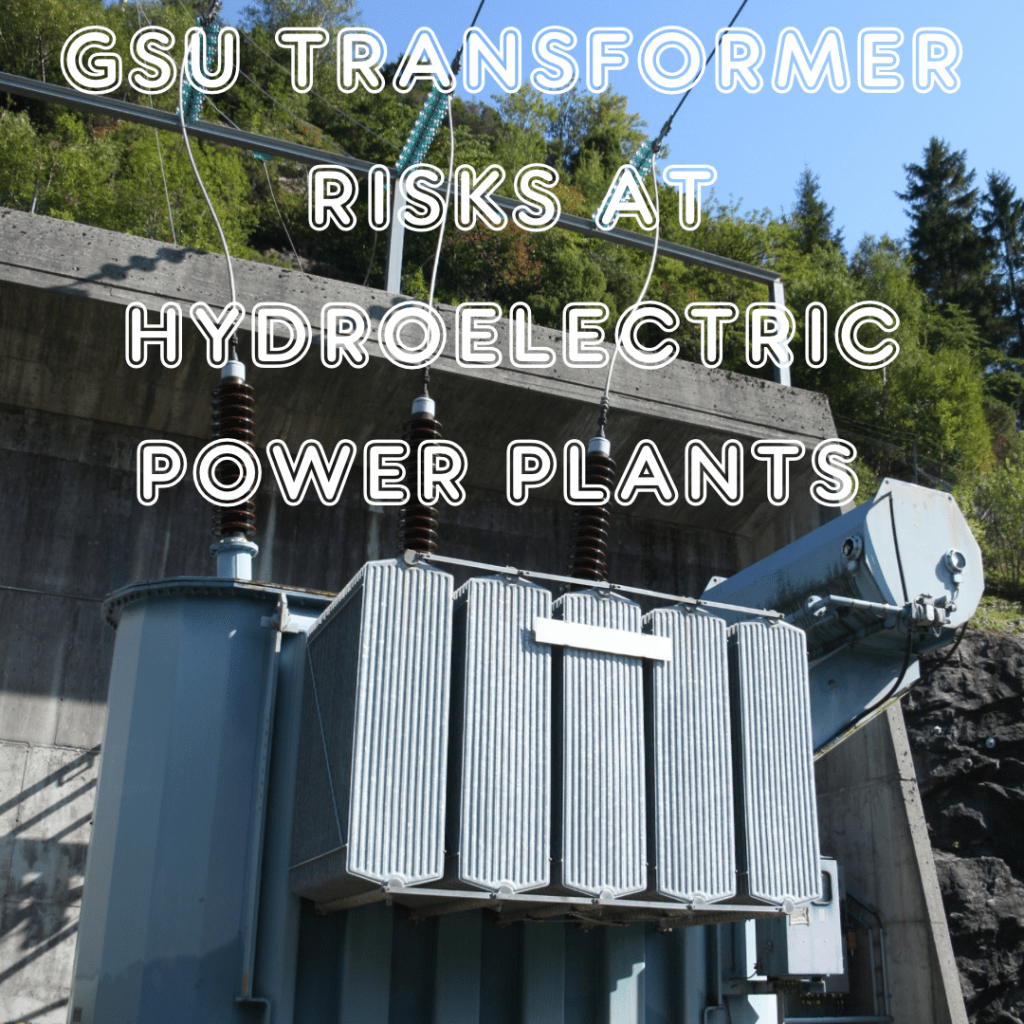
Let’s discuss the risks of oil filled GSU transformers at hydroelectric power plants.

Oil-filled GSU (Generator Step-Up) transformers play a crucial role in hydroelectric power plants by stepping up the generated electricity voltage for efficient transmission and distribution. While these transformers are widely used and reliable, they do come with certain risks and considerations. Here are some of the key risks associated with oil-filled GSU transformers:
- Oil leakage: Oil is used as an insulating and cooling medium in these transformers. However, there is always a risk of oil leakage due to factors such as faulty seals, aging, mechanical damage, or extreme operating conditions. Oil leaks can lead to environmental pollution, fire hazards, and damage to surrounding equipment.
- Fire hazards: Oil is highly flammable, and if there is a fault or a spark in the transformer, it can lead to a fire. Fire risks can arise from electrical faults, arcing, or overheating. The fire can spread to other parts of the power plant, causing significant damage and posing a threat to personnel safety.
- Electrical faults: GSU transformers are subject to electrical faults, such as short circuits, insulation breakdown, or internal arcing. These faults can cause significant damage to the transformer windings and insulation, leading to power outages and costly repairs.
- Aging and maintenance: Oil-filled transformers require regular maintenance, including oil testing, insulation checks, and preventive maintenance. If maintenance is neglected, the risk of failure or malfunction increases. Aging transformers may develop insulation degradation, which can reduce their efficiency and reliability.
- Environmental impact: Oil leaks from GSU transformers can have detrimental effects on the environment. Contaminated oil can seep into the soil, pollute nearby water bodies, and harm plant and animal life. Proper containment and oil spill response plans should be in place to mitigate environmental risks.
- Transformer failure: GSU transformer failure can lead to prolonged power outages and disruptions in the power grid. Repairing or replacing a failed transformer can be time-consuming, costly, and impact the overall electricity supply.
To mitigate these risks, hydroelectric power plants must implement proper maintenance and monitoring programs for their GSU transformers. Regular inspections, oil analysis, and condition monitoring can help detect potential issues and prevent catastrophic failures. Additionally, safety measures such as fire detection and suppression systems, containment structures, and spill response protocols should be in place to minimize the impact of accidents or leaks.
 Energy Risk Engineering Insights