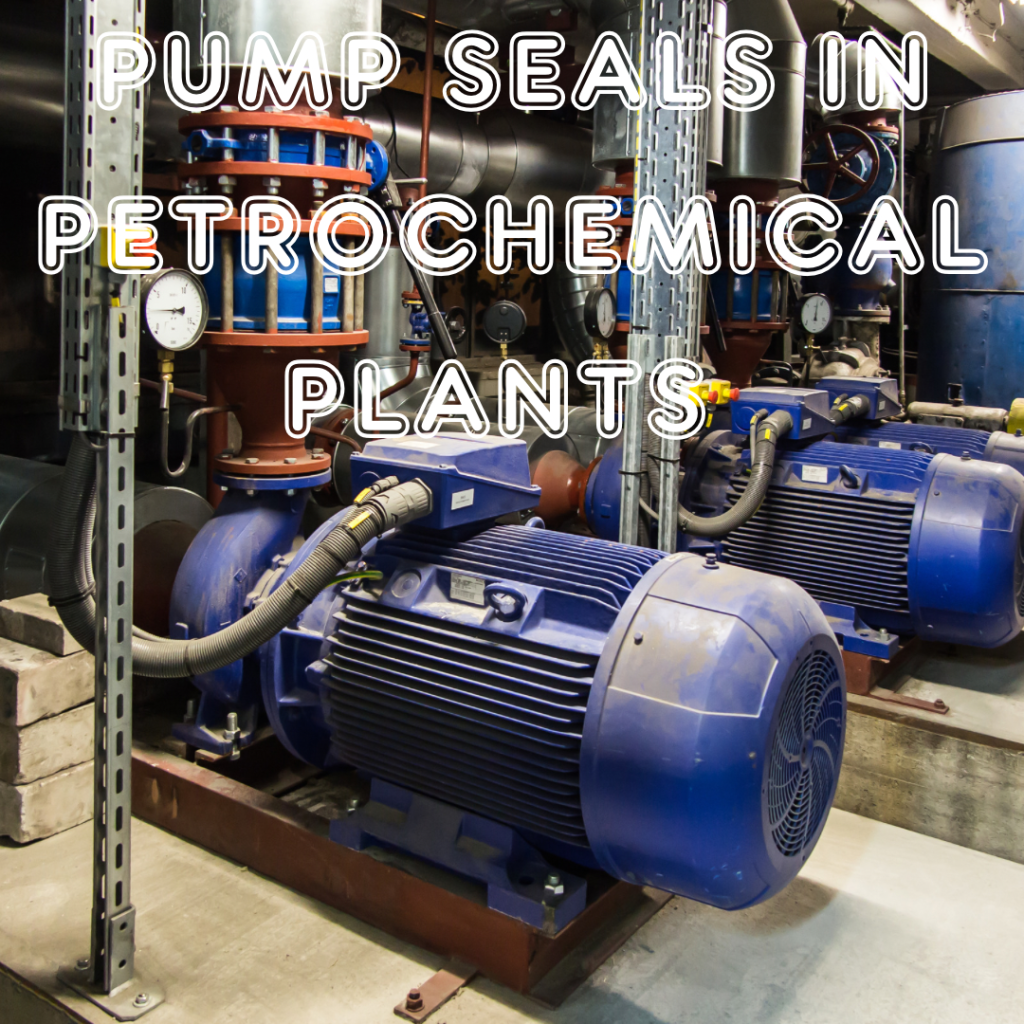
Let’s discuss pump seal designs in petrochemical plants.

Pump seal designs play a crucial role in petrochemical plants to prevent leaks and ensure the safe and efficient operation of pumps handling various fluids. There are several common types of pump seals used in petrochemical plants. I can provide you with an overview of some of the most prevalent designs:
- Mechanical Seals: Mechanical seals are widely used in petrochemical plants due to their reliability and ability to handle a wide range of operating conditions. These seals consist of two main parts: a rotating face and a stationary face. The rotating face is attached to the pump shaft, while the stationary face is fixed within the pump housing. These faces create a seal when pressed together, preventing fluid leakage.
- Compression Packing: Compression packing, also known as gland packing or simply packing, is a traditional sealing method. It involves wrapping a combination of braided or molded materials, such as graphite or PTFE (polytetrafluoroethylene), around the pump shaft. The packing material is compressed against the shaft and forms a seal, preventing fluid from leaking along the shaft.
- Cartridge Seals: Cartridge seals are pre-assembled units that combine various sealing components into a single package. These seals offer easy installation and replacement, reducing maintenance time and improving reliability. Cartridge seals are available in different configurations, including single and double seals, depending on the application requirements.
- Magnetic Drive Seals: Magnetic drive seals are specifically designed for applications where zero leakage is critical. These seals eliminate the need for shaft seals by using a magnetic coupling to transmit torque from the motor to the impeller. The hermetically sealed design ensures that no fluid can escape or enter the pump chamber, making them suitable for handling hazardous or toxic fluids.
- Gas Seals: Gas seals, such as dry gas seals, are utilized in high-pressure and high-speed applications. Instead of using a liquid or lubricant, these seals employ a gas barrier to prevent leakage. The gas barrier, typically nitrogen, creates a pressure differential that keeps the process fluid contained within the pump.
It’s important to note that the selection of pump seal design depends on various factors, including the nature of the fluid being pumped, temperature, pressure, operating speed, and environmental considerations. Petrochemical plants typically have stringent safety and environmental regulations, so seal designs must comply with these standards to ensure the integrity of the process and protect the environment.
 Energy Risk Engineering Insights