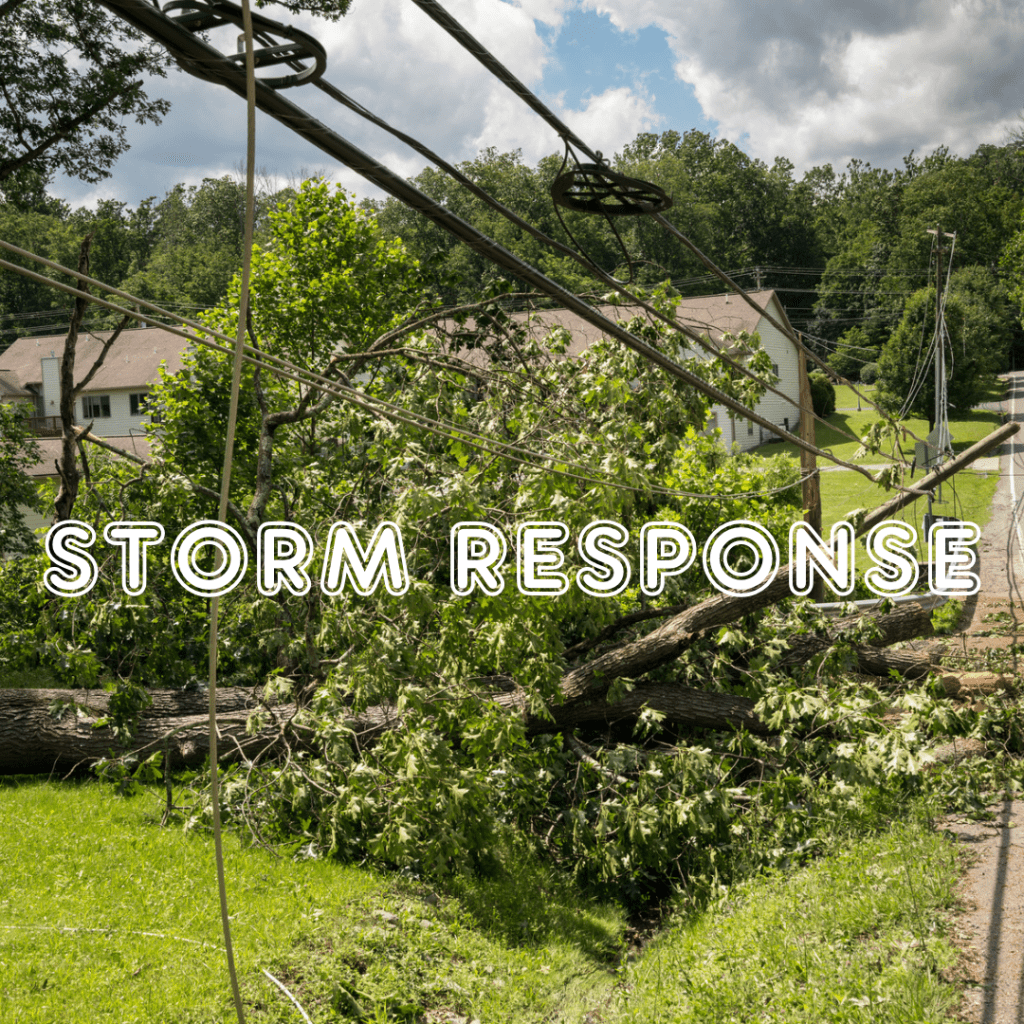
Let’s discuss emergency storm response by electric distribution utilities.

Emergency storm response by electric distribution utilities is a critical aspect of ensuring the safety and well-being of communities during severe weather events. When storms strike, such as hurricanes, tornadoes, or severe winter storms, they can cause widespread power outages and damage to the electrical infrastructure. Electric distribution utilities play a vital role in restoring power and minimizing the impact on affected areas.
Here are some key aspects to consider when discussing emergency storm response by electric distribution utilities:
- Pre-storm preparations: Utilities often have established protocols for monitoring weather patterns and forecasting severe storms. They may proactively trim trees near power lines, inspect and reinforce infrastructure, and ensure they have adequate resources and personnel on standby to respond quickly.
- Emergency response planning: Utilities develop comprehensive emergency response plans that outline the steps to be taken during storm events. These plans include communication protocols, coordination with local authorities and emergency management agencies, and allocation of resources to prioritize critical infrastructure and services.
- Damage assessment: Once a storm has passed, utilities conduct thorough damage assessments to determine the extent of the damage to the electrical system. This involves inspecting power lines, transformers, substations, and other components to identify areas that need repair or replacement.
- Restoration prioritization: Utilities prioritize the restoration of power based on established criteria. Critical infrastructure such as hospitals, emergency services, and water treatment facilities typically receive priority attention. They then work towards restoring power to the largest number of customers as quickly as possible.
- Crew mobilization: Electric distribution utilities have crews trained in storm response and restoration. These crews, including lineworkers, tree trimmers, and support personnel, are mobilized to the affected areas to repair damaged infrastructure, replace downed power lines, and restore electricity.
- Communication and customer outreach: Utilities understand the importance of effective communication during storms. They keep customers informed about restoration efforts, estimated restoration times, and safety guidelines through various channels such as phone calls, text messages, websites, and social media.
- Mutual assistance agreements: In situations where a storm causes significant damage, electric distribution utilities often rely on mutual assistance agreements. These agreements allow neighboring utilities to share resources, personnel, and equipment to expedite the restoration process.
- Continuous improvement: After a storm event, utilities review their response and restoration efforts to identify areas for improvement. They analyze the effectiveness of their plans, communication strategies, and coordination with other stakeholders to enhance their emergency storm response capabilities in the future.
It’s important to note that storm response efforts can vary between different utilities and regions, depending on factors such as local regulations, infrastructure resilience, and available resources. However, the overarching goal remains the same: to restore power safely and efficiently while prioritizing the needs of the community.
 Energy Risk Engineering Insights