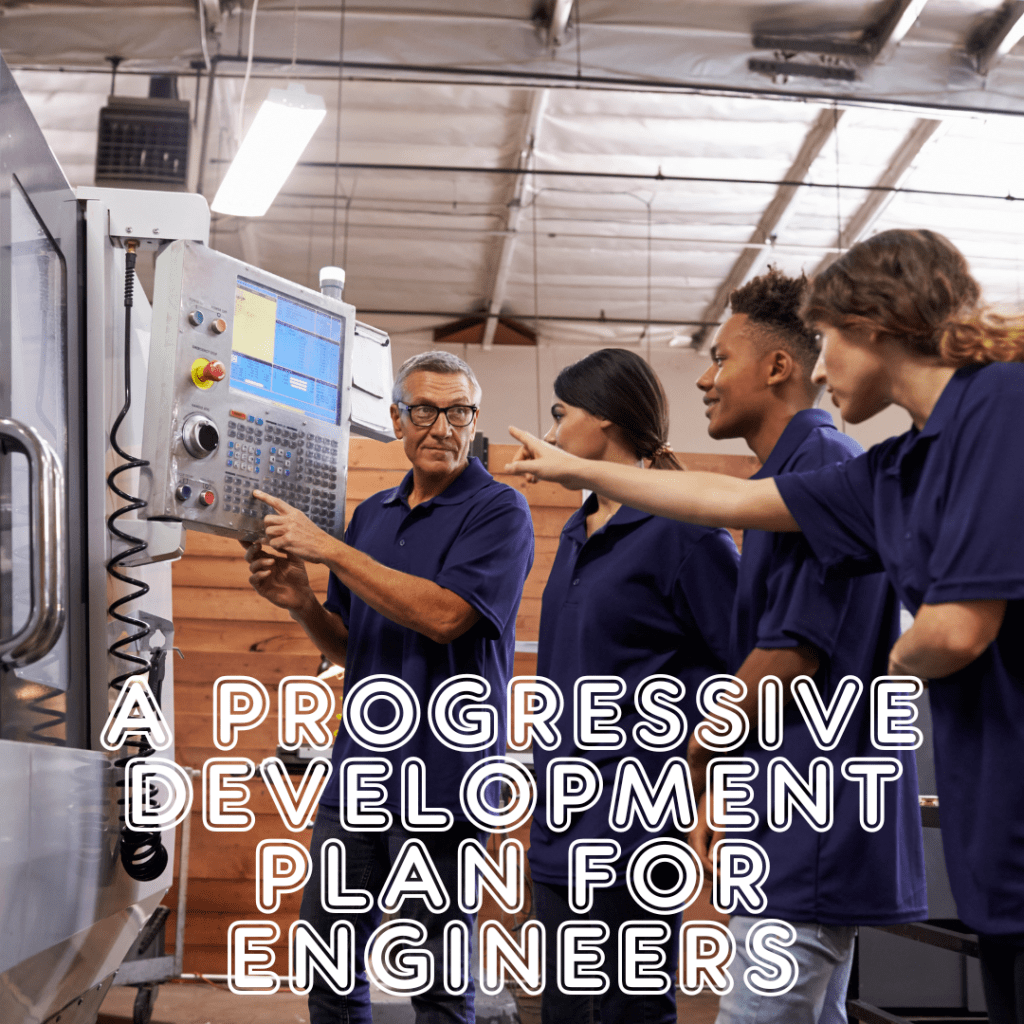
Let’s discuss a progressive development system for engineers in an energy facility.

Developing a progressive system for engineers in an energy facility can greatly contribute to their professional growth and the overall success of the facility. Here are some key components to consider when designing such a system:
- Structured Training Programs: Implement structured training programs to onboard new engineers and provide them with a solid foundation of knowledge and skills. These programs can include technical workshops, shadowing experienced engineers, and hands-on training.
- Mentorship Opportunities: Pair junior engineers with experienced mentors who can guide and support them throughout their career development. Mentorship programs help foster professional relationships, provide valuable insights, and accelerate learning.
- Continuous Learning and Development: Encourage engineers to engage in continuous learning by providing access to resources such as technical literature, online courses, and conferences. Establish a culture that values ongoing education and supports engineers in expanding their knowledge and skills.
- Rotation Programs: Offer rotational assignments within different departments or projects to expose engineers to a variety of roles and challenges. This enables them to gain a broader understanding of the energy facility’s operations and helps identify their areas of interest and expertise.
- Cross-functional Collaboration: Foster collaboration between engineers from different disciplines within the energy facility. Encourage engineers to work together on projects, share knowledge, and learn from each other’s expertise. This cross-pollination of ideas can lead to innovation and a well-rounded skill set.
- Performance Assessments and Feedback: Implement a robust performance assessment system that provides regular feedback to engineers. Establish clear performance metrics and goals, and conduct periodic evaluations to identify areas for improvement and recognize achievements. Feedback should be constructive, focused on growth, and provide opportunities for skill enhancement.
- Leadership Development: Provide engineers with opportunities to develop leadership skills. Offer leadership training programs, mentorship from senior leaders, and opportunities to lead small projects or teams. Building leadership capabilities within the engineering workforce can contribute to effective decision-making and career advancement.
- Recognition and Rewards: Establish a system to recognize and reward engineers for their contributions, innovative ideas, and exceptional performance. This can include financial incentives, career progression opportunities, public recognition, or awards. Recognition motivates engineers to excel and fosters a positive work culture.
- Regular Performance Discussions: Conduct regular performance discussions between engineers and their supervisors to assess progress, set goals, and align career aspirations. These discussions help identify areas for improvement, provide clarity on expectations, and support individual career growth plans.
- Employee Well-being and Work-Life Balance: Prioritize employee well-being and work-life balance by providing flexible work arrangements, wellness programs, and resources for mental and physical health. A healthy and balanced work environment contributes to higher job satisfaction, productivity, and long-term engagement.
Remember, a progressive development system should be adaptable and responsive to the changing needs of engineers and the energy industry. Continually assess and refine the system to ensure it remains effective and aligns with the facility’s goals and objectives.
 Energy Risk Engineering Insights