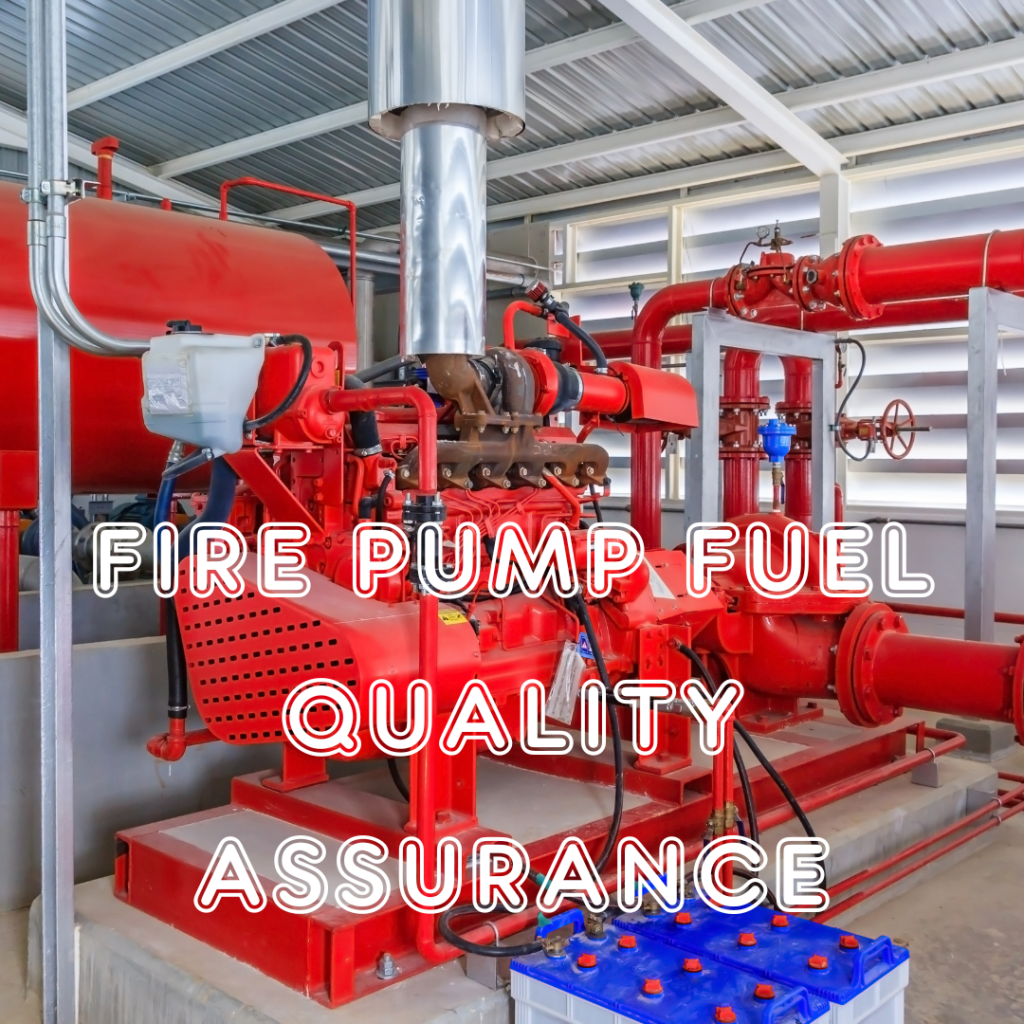
Let’s discuss fuel oil quality assurance for diesel fire pumps in power or petrochemical power plants.

Fuel oil quality assurance is crucial for ensuring the reliable operation and performance of diesel fire pumps, which are critical for emergency firefighting and safety systems in these facilities.
Here are some key aspects to consider when it comes to fuel oil quality assurance:
- Fuel Specifications: Power and petrochemical plants typically have specific fuel oil specifications for their diesel fire pumps. These specifications may include parameters such as viscosity, flash point, pour point, sulfur content, water content, and sediment content. The fuel oil must meet these specifications to ensure optimal performance and minimize potential problems.
- Fuel Sampling and Testing: Regular sampling and testing of fuel oil are essential to verify its quality. Samples should be taken from different locations, including storage tanks, transfer systems, and the fire pump itself. Testing can involve various analyses such as viscosity measurement, flash point determination, sulfur content analysis, water content analysis, and particle count. These tests help identify any potential issues or contaminants that may affect the fuel’s performance.
- Filtration and Separation: Fuel oil should undergo proper filtration and separation processes to remove impurities and contaminants. Filtration systems, such as fuel oil filters, are installed in the fuel supply lines to trap particles and debris. Additionally, centrifugal separators or coalescers can be used to remove water and sediment from the fuel, ensuring cleaner and more reliable fuel supply to the fire pumps.
- Fuel Additives: In some cases, fuel additives may be used to enhance fuel quality and performance. Common additives include fuel stabilizers, which help prevent fuel degradation and oxidation, and biocides, which control microbial growth in the fuel. However, the use of additives should comply with local regulations and manufacturer recommendations.
- Storage and Handling: Proper storage and handling of fuel oil are critical to maintaining its quality. Fuel storage tanks should be regularly inspected for integrity, and measures should be taken to prevent water ingress and contamination. It’s important to monitor fuel levels, implement a first-in, first-out (FIFO) approach to fuel usage, and ensure proper ventilation to minimize the risk of fuel degradation.
- Maintenance and Monitoring: Regular maintenance and monitoring of the fire pump and fuel oil system are essential to identify any potential issues and ensure optimal performance. This can include inspections, testing of equipment, calibration of instruments, and checking for any signs of fuel degradation or contamination.
- Compliance and Documentation: Compliance with local regulations, industry standards, and manufacturer guidelines is crucial for fuel oil quality assurance. Maintaining accurate and up-to-date documentation of fuel testing, maintenance activities, and any deviations or corrective actions taken is important for record-keeping and regulatory compliance purposes.
By implementing a comprehensive fuel oil quality assurance program, power and petrochemical plants can ensure the reliability and effectiveness of their diesel fire pumps. This helps to minimize the risk of failures during emergencies and ensures the safety of personnel and critical infrastructure.
 Energy Risk Engineering Insights