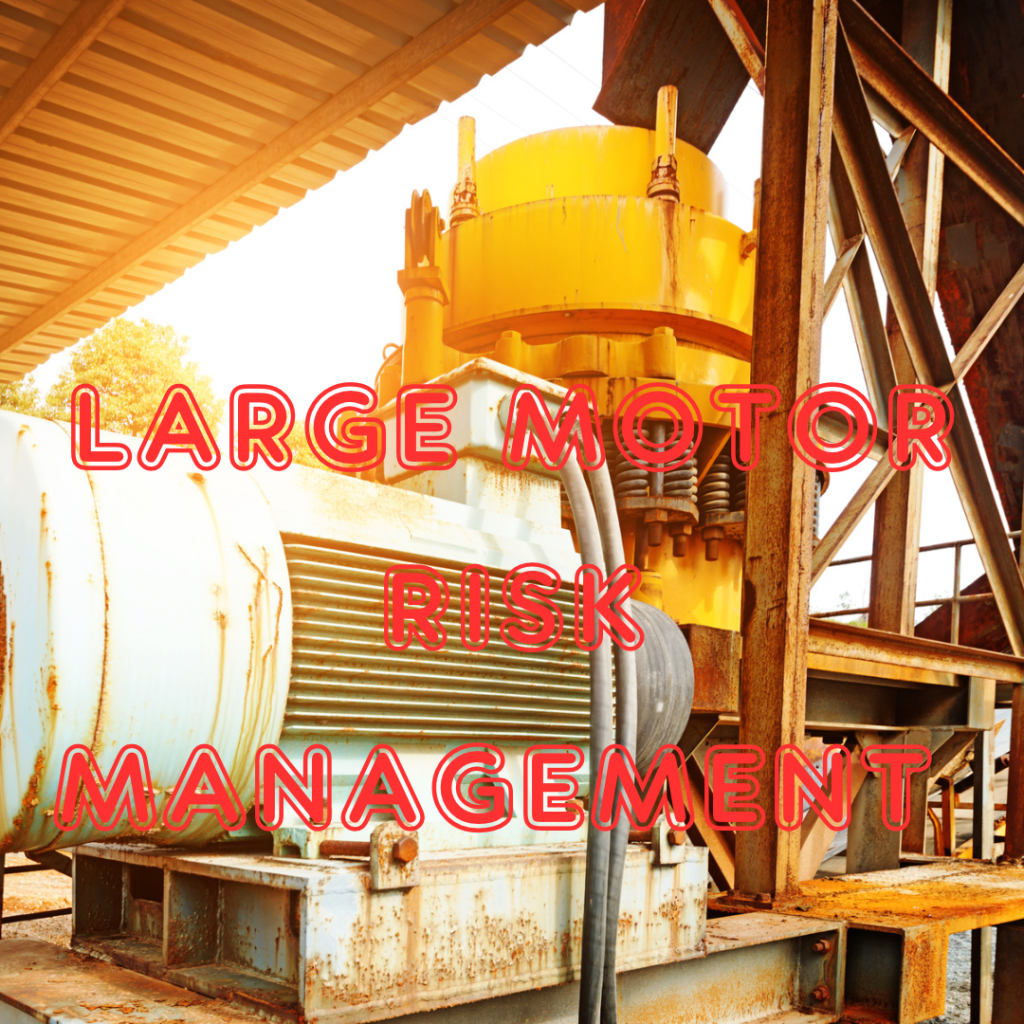
Let’s discuss the risks associated with large motors in power and petrochemical plants. Discuss the proper inspection, testing and maintenance.

Large motors in power and petrochemical plants are critical components that play a crucial role in the operation of these facilities. However, they also pose certain risks that need to be carefully managed. Let’s discuss the risks associated with large motors and explore proper inspection, testing, and maintenance practices to mitigate these risks.
- Electrical Hazards: Large motors operate at high voltages, posing a significant risk of electrical hazards. Insufficient insulation, damaged cables, or faulty connections can lead to electrical shocks or fires. Regular inspections and testing are essential to identify and address potential electrical issues. This includes inspecting cables, connectors, insulation, and grounding systems.
- Mechanical Failures: Large motors endure substantial stress and mechanical loads, making them susceptible to failures. These failures can result from issues such as bearing wear, misalignment, unbalanced rotors, or excessive vibration. Regular maintenance and testing should include monitoring vibration levels, inspecting bearings and couplings, checking alignment, and performing thermographic analysis to identify potential mechanical problems.
- Overheating: Large motors generate significant heat during operation. Overheating can occur due to various factors, including excessive loads, poor ventilation, or inadequate cooling systems. Regular inspections should include checking cooling systems, cleaning air filters, and monitoring temperature levels to prevent overheating and potential damage.
- Contamination and Corrosion: Power and petrochemical plants often have harsh environments with the potential for contamination and corrosion. Dust, chemicals, moisture, or corrosive gases can impact motor performance and lead to premature failure. Implementing proper protection measures, such as sealing motor enclosures, regular cleaning, and applying corrosion-resistant coatings, can mitigate these risks.
- Lubrication Issues: Insufficient lubrication or the use of improper lubricants can result in increased friction, excessive wear, and bearing failures. Regular lubrication checks, oil analysis, and maintenance of proper lubrication schedules are crucial for ensuring optimal motor performance and lifespan.
To ensure the safe and reliable operation of large motors in power and petrochemical plants, the following inspection, testing, and maintenance practices are recommended:
- Routine Inspections: Conduct regular visual inspections to identify signs of wear, damage, loose connections, or abnormal conditions. Inspect motor components, including cables, connectors, insulation, cooling systems, bearings, and alignment.
- Vibration Analysis: Monitor motor vibration levels to detect potential mechanical issues. Implement predictive maintenance techniques, such as vibration analysis, to identify early signs of bearing wear, misalignment, or rotor imbalances.
- Thermographic Analysis: Utilize infrared thermography to identify hot spots, overheating, or insulation problems. Regularly scan motor components to detect abnormal temperature patterns that may indicate potential issues.
- Lubrication Maintenance: Establish a comprehensive lubrication program, including proper lubricant selection, lubrication schedules, and oil analysis to ensure optimal motor performance and prevent premature failures.
- Electrical Testing: Perform routine electrical testing, including insulation resistance tests, megger tests, and motor winding analysis, to identify potential electrical problems and ensure the integrity of motor insulation and electrical connections.
- Environmental Considerations: Protect motors from harsh environments by implementing proper enclosures, sealing mechanisms, and corrosion-resistant coatings. Regularly clean motor components and address potential sources of contamination.
- Regular Maintenance: Develop a preventive maintenance schedule that includes tasks such as cleaning, alignment checks, bearing replacements, and overall motor performance evaluations.
- Training and Documentation: Ensure that maintenance personnel receive proper training on motor inspection, testing, and maintenance procedures. Maintain comprehensive records of all inspections, tests, and maintenance activities for future reference and analysis.
By implementing these practices, power and petrochemical plants can minimize the risks associated with large motors and enhance their reliability, safety, and overall operational efficiency.
 Energy Risk Engineering Insights