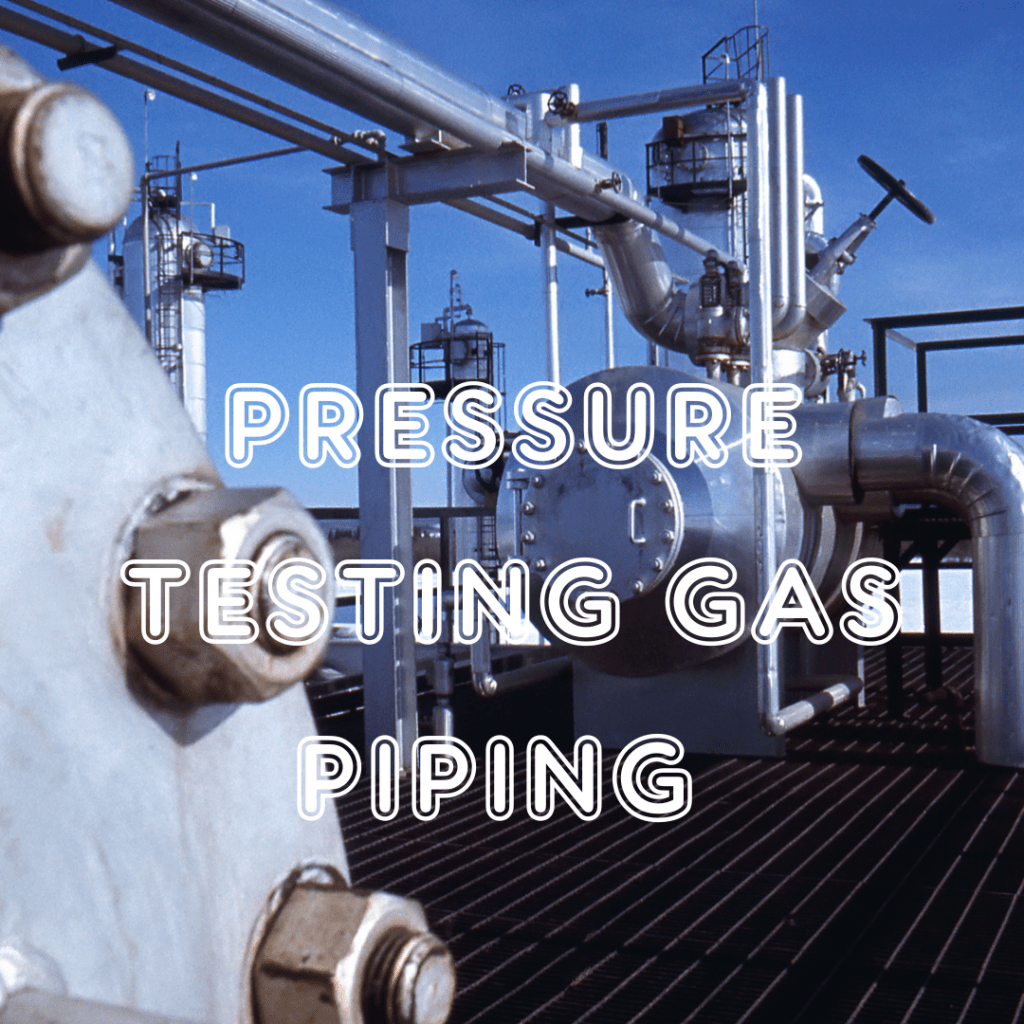
Let’s discuss pneumatic pressure testing of gas piping in petrochemical plants.

Pneumatic pressure testing is a commonly used method for testing the integrity and strength of gas piping in petrochemical plants. It involves pressurizing the system with compressed air or another inert gas to a predetermined level and then inspecting for leaks or failures.
Here are some key points to consider when discussing pneumatic pressure testing of gas piping in petrochemical plants:
- Purpose of Pressure Testing: The primary purpose of pressure testing is to ensure that the gas piping system can safely handle the intended operating pressure without any leaks or weaknesses. It helps identify any potential defects, such as faulty welds, damaged fittings, or defective components.
- Test Pressure: The test pressure is typically higher than the operating pressure to provide a safety margin and ensure the system’s integrity. The specific test pressure depends on various factors, including regulatory requirements, industry standards, and the design specifications of the piping system.
- Test Duration: The duration of the pressure test can vary depending on the size and complexity of the gas piping system. Generally, the system is pressurized and held at the test pressure for a specified period, often ranging from a few minutes to several hours. The duration allows for observation of any pressure drop, indicating potential leaks or failures.
- Test Procedure: The pressure testing procedure involves several steps. First, the system is isolated from other sources of gas and properly prepared for testing. Then, compressed air or an inert gas is introduced into the system until the desired test pressure is reached. The pressure is monitored using pressure gauges, and the system is inspected visually for leaks or any signs of stress. After the specified duration, the pressure is released gradually, and the system is examined again for leaks or other abnormalities.
- Safety Measures: Safety is of utmost importance during pressure testing. Adequate precautions must be taken to prevent over-pressurization, which can lead to catastrophic failures. Safety relief valves should be installed to ensure that the pressure does not exceed the system’s design limits. Additionally, proper ventilation and personal protective equipment (PPE) should be utilized to safeguard personnel during the testing process.
- Documentation and Reporting: Detailed documentation of the pressure testing process is essential for regulatory compliance and future reference. The test procedure, including the test pressure, duration, and any observations or findings, should be recorded accurately. Any defects or leaks discovered during the testing should be documented and appropriately addressed.
It’s worth noting that local regulations, industry standards, and specific plant requirements may vary, so it’s important to consult the applicable guidelines and experts in the field to ensure compliance and safety during pneumatic pressure testing of gas piping in petrochemical plants.
 Energy Risk Engineering Insights