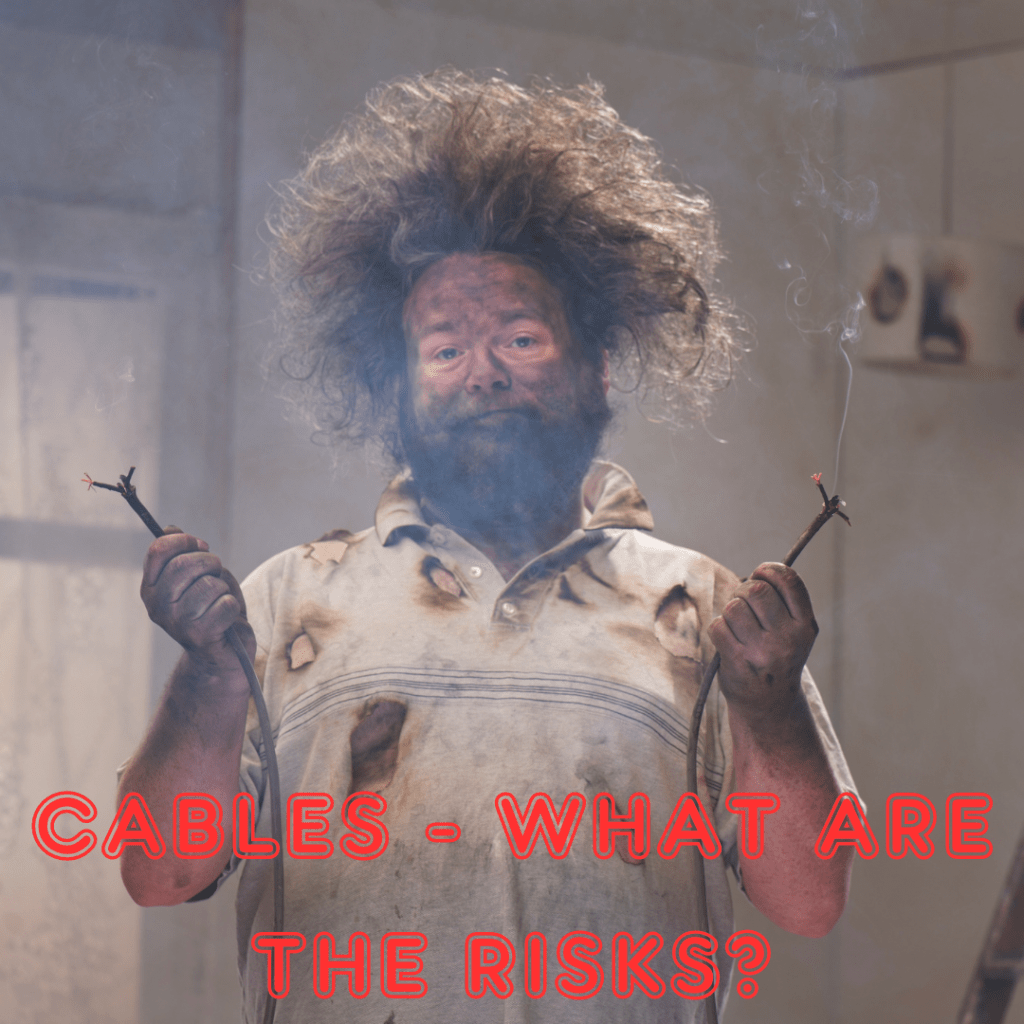
Let’s discuss power cable failure modes and how to manage cable risks in power plants.

Power cable failure modes can occur due to various factors such as mechanical stress, electrical faults, environmental conditions, manufacturing defects, and aging. Managing cable risks in power plants requires a comprehensive approach that includes proper cable selection, installation, maintenance, and monitoring. Here are some common power cable failure modes and strategies to mitigate the associated risks:
- Mechanical Damage: Cables can be subject to physical stress during installation, operation, or maintenance activities, leading to insulation or conductor damage. To manage this risk, cables should be installed with proper bending radii, protected from sharp edges or abrasive surfaces, and secured in cable trays or conduits.
- Electrical Faults: Short circuits, overloading, and insulation breakdown can lead to cable failures. To mitigate these risks, power cables should be sized correctly for the intended load, and protective devices such as fuses, circuit breakers, and relays should be installed to detect and isolate faults promptly.
- Environmental Conditions: Harsh environmental conditions such as extreme temperatures, moisture, chemicals, and UV radiation can degrade cable insulation and cause failures. Cable selection should consider the anticipated environmental conditions, and appropriate insulation materials should be used. Regular inspections and maintenance can help identify signs of deterioration or damage.
- Manufacturing Defects: Cable manufacturing defects, such as poor jointing or insulation, can lead to premature failures. Quality control measures should be in place to ensure that cables meet the required standards and specifications. Factory acceptance tests and routine quality checks during installation can help detect and mitigate such defects.
- Aging and Degradation: Over time, cables may experience degradation of insulation materials, leading to reduced electrical performance and increased failure risks. Implementing a proactive cable maintenance program, including periodic inspections, testing, and preventive replacement of aged cables, can help manage this risk.
To effectively manage cable risks in power plants, the following strategies can be employed:
a. Cable Selection: Choose cables that are suitable for the specific application, considering factors such as voltage rating, current capacity, environmental conditions, and expected service life.
b. Installation Practices: Ensure proper installation techniques are followed, including adherence to recommended bending radii, correct jointing and termination methods, and appropriate cable protection measures.
c. Regular Inspections: Conduct routine inspections to identify signs of damage, deterioration, or abnormal operating conditions. Thermal imaging, visual inspections, and electrical testing techniques can be employed for early detection of potential issues.
d. Maintenance and Testing: Implement a preventive maintenance program that includes periodic cable testing, insulation resistance measurements, and condition monitoring techniques. This helps identify cables at risk of failure and allows for timely replacement or repair.
e. Training and Competence: Ensure personnel involved in cable installation, maintenance, and inspection are adequately trained and competent in their tasks. They should have a thorough understanding of cable systems and associated risks.
f. Documentation and Record Keeping: Maintain accurate records of cable installations, maintenance activities, inspections, and test results. This information can aid in trend analysis, identifying recurring issues, and planning future maintenance actions.
By implementing these strategies, power plants can minimize the risks associated with power cable failures and ensure the reliable and uninterrupted operation of their electrical systems.
 Energy Risk Engineering Insights