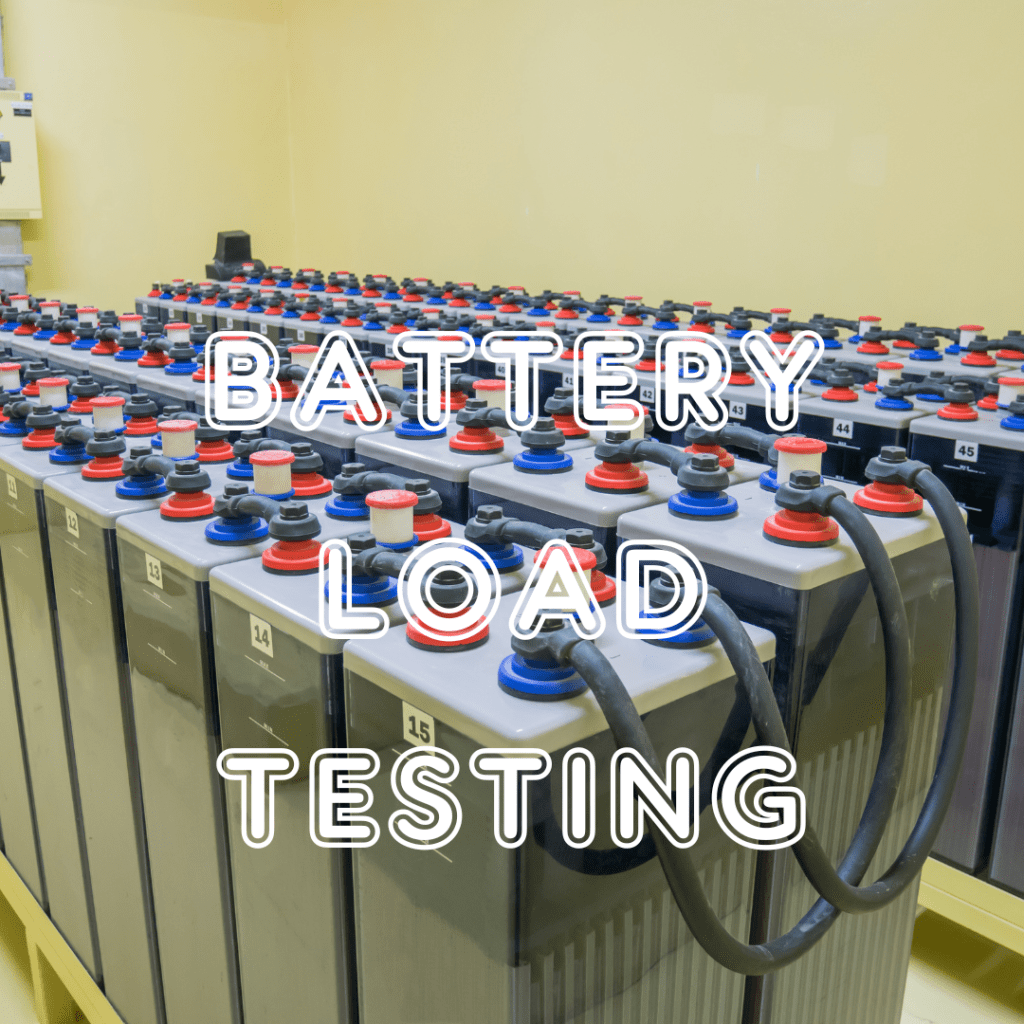
Let’s discuss battery load testing in emergency DC power systems in power plants.

Battery load testing is an essential part of ensuring the reliability and performance of emergency DC power systems in power plants. These systems are responsible for providing backup power during critical situations, such as power outages or equipment failures. Conducting regular load testing helps identify potential issues with the batteries and ensures they can deliver the required power when needed.
Here are some key points to consider when discussing battery load testing in emergency DC power systems:
- Purpose of Load Testing: The primary objective of load testing is to evaluate the capacity and performance of batteries under simulated operating conditions. By applying a controlled load to the batteries, power plant operators can assess their ability to supply the necessary power and determine if they meet specified performance criteria.
- Testing Frequency: Load testing should be performed at regular intervals as part of a comprehensive maintenance program. The frequency depends on various factors such as battery type, manufacturer’s recommendations, operating conditions, and industry regulations. Typically, load tests are conducted annually or semi-annually, but more frequent testing may be required for critical applications.
- Load Testing Methods: There are different methods for conducting battery load testing, including constant current, constant power, and constant resistance. The choice of method depends on the battery type, system requirements, and industry standards. The test duration should be sufficient to allow the batteries to stabilize and reach a steady state.
- Test Parameters: During load testing, several parameters are monitored and recorded. These may include voltage, current, temperature, and overall system performance. Comparing the test results against established baselines or manufacturer specifications helps identify any deviations or deterioration in battery performance.
- Test Interpretation: The test results are analyzed to assess the batteries’ health and performance. Key metrics such as capacity, voltage drop, runtime, and efficiency are evaluated. Significant deviations from expected values may indicate the need for further investigation, maintenance, or replacement of batteries.
- Safety Considerations: Battery load testing involves working with potentially high currents and voltages, so safety precautions are crucial. Qualified personnel should perform the tests, following industry-standard safety practices. Appropriate personal protective equipment (PPE) and safety interlocks should be in place to mitigate any risks.
- Documentation and Reporting: Comprehensive documentation of load test procedures, results, and any remedial actions taken is important for maintaining a historical record and tracking the battery’s performance over time. Reports should include details such as test date, conditions, parameters, results, and recommendations.
- Follow-up Actions: If any issues or deficiencies are identified during load testing, appropriate corrective actions should be taken promptly. This may include battery maintenance, reconditioning, replacement, or adjusting the testing schedule. Regular follow-up inspections and subsequent load tests help ensure the effectiveness of corrective measures.
By conducting regular load testing, power plant operators can proactively identify battery-related issues, optimize system performance, and maintain the reliability of emergency DC power systems. It is important to adhere to industry standards, manufacturer guidelines, and regulatory requirements when performing load tests and interpreting the results.
 Energy Risk Engineering Insights