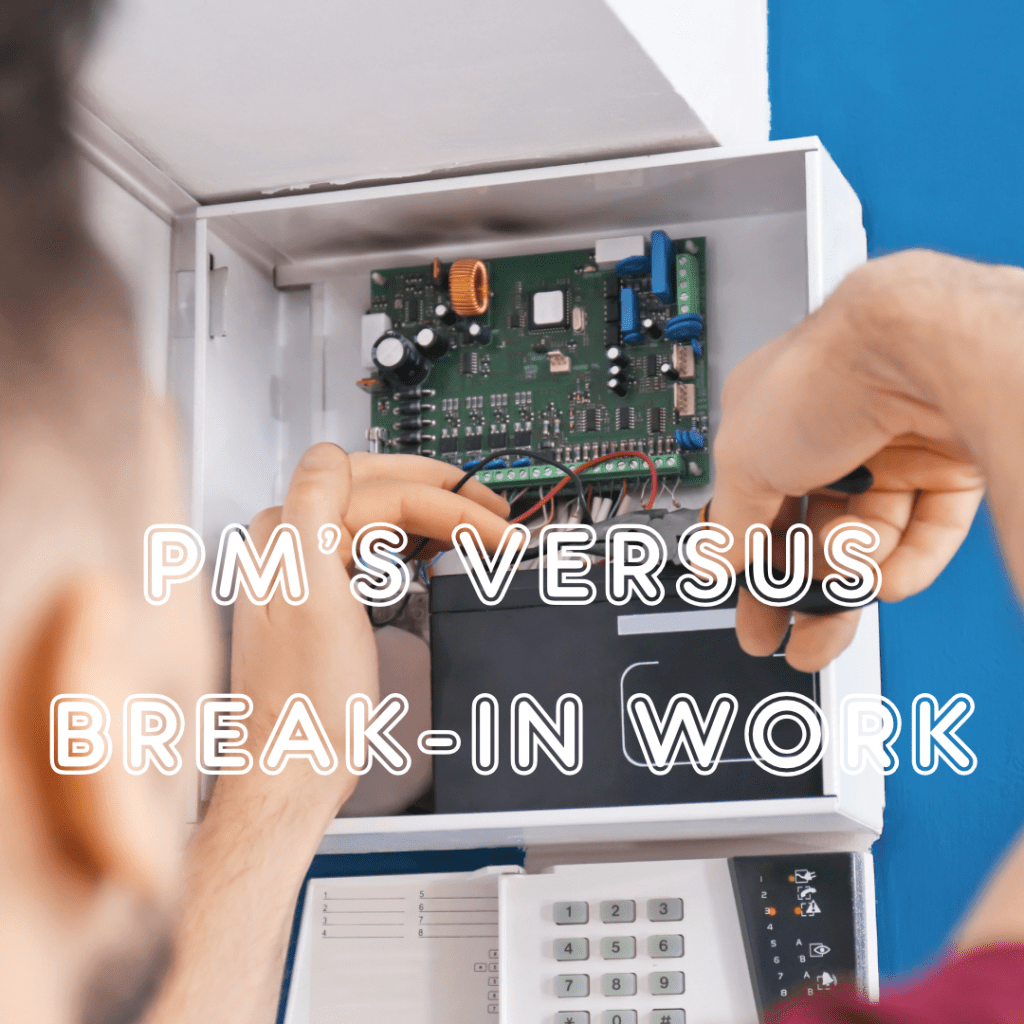
Let’s discuss preventative maintenance versus emergency breakdown work in a refinery.

Preventative maintenance and emergency breakdown work are two essential aspects of maintenance in a refinery. Let’s explore each of them in more detail:
- Preventative Maintenance: Preventative maintenance refers to the proactive and planned maintenance activities performed on equipment, systems, and infrastructure in a refinery to prevent breakdowns and ensure optimal performance. The primary goal of preventative maintenance is to identify and address potential issues before they lead to equipment failure or costly downtime. Here are some key points to consider:
a. Scheduled Inspections: Regular inspections are conducted to identify signs of wear and tear, leaks, corrosion, or any other potential issues that could affect the equipment’s performance.
b. Lubrication and Cleaning: Proper lubrication and cleaning of equipment are crucial to prevent excessive friction, rust, or contamination that could lead to failures.
c. Component Replacement: Worn-out or aging components are replaced during planned maintenance activities to avoid unexpected breakdowns.
d. Calibration and Testing: Instruments and control systems are regularly calibrated and tested to ensure accuracy and reliability.
e. Predictive Maintenance Techniques: Advanced techniques such as vibration analysis, thermography, and oil analysis are utilized to identify early signs of failure and take corrective measures.
Benefits of Preventative Maintenance:
- Minimizes equipment downtime and unplanned shutdowns.
- Enhances equipment reliability and longevity.
- Reduces the risk of safety hazards.
- Optimizes operational efficiency.
- Helps in effective resource planning by avoiding emergency repairs.
- Emergency Breakdown Work: Emergency breakdown work refers to the unscheduled maintenance and repairs that are performed when a piece of equipment fails unexpectedly. This type of work is reactive in nature and is often carried out under time-sensitive conditions to minimize production losses and mitigate safety risks. Key aspects of emergency breakdown work include:
a. Troubleshooting and Diagnosis: Quick assessment of the problem to identify the root cause and determine the necessary repairs.
b. Rapid Response: Mobilizing maintenance teams, resources, and spare parts promptly to address the breakdown and restore operations as soon as possible.
c. Temporary Fixes: In some cases, temporary repairs or workarounds are implemented to restore partial functionality until permanent repairs can be made.
d. Safety Considerations: Ensuring that the emergency repair work is conducted safely, considering the potential risks associated with the equipment failure.
Benefits of Emergency Breakdown Work:
- Minimizes production losses and downtime by restoring operations quickly.
- Prevents escalation of the issue and further damage to equipment.
- Mitigates safety hazards and potential environmental impacts.
- Provides an opportunity to identify underlying issues that led to the breakdown for future prevention.
In summary, preventative maintenance focuses on proactively maintaining equipment to prevent failures, while emergency breakdown work is reactive and aims to address unexpected failures swiftly. Both approaches are crucial in a refinery to ensure operational efficiency, minimize downtime, and maintain a safe working environment. A well-balanced maintenance strategy incorporates elements of both preventative maintenance and emergency breakdown work to optimize refinery operations.
 Energy Risk Engineering Insights