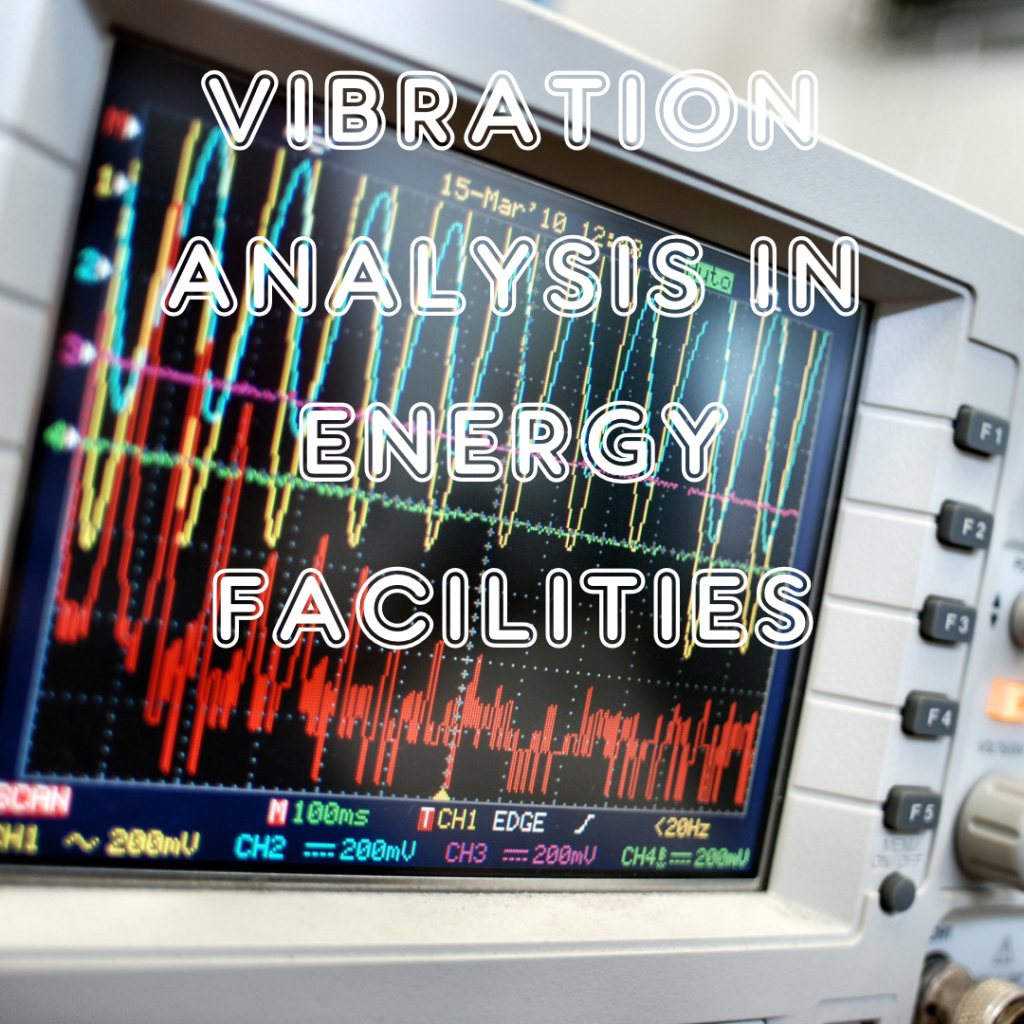
Let’s discuss vibration analysis programs in petrochemical and power plants.

Vibration analysis programs play a crucial role in monitoring and maintaining the integrity of equipment in petrochemical and power plants. These programs utilize various techniques to detect, analyze, and diagnose vibrations in machinery and structures, helping to prevent failures, optimize performance, and ensure the safety and reliability of plant operations.
Here are some key aspects and considerations related to vibration analysis programs in petrochemical and power plants:
- Vibration Monitoring: Vibration sensors and monitoring systems are installed on critical equipment such as turbines, pumps, compressors, motors, generators, and rotating machinery. These sensors detect and measure vibrations in different frequency ranges and directions.
- Data Acquisition: Vibration analysis programs collect and store data from the monitoring sensors. This data includes vibration amplitudes, frequencies, waveforms, and other relevant parameters. The programs may utilize specialized data acquisition systems or integrate with existing plant control systems.
- Analysis Techniques: Vibration analysis programs employ various techniques to interpret the collected data. These techniques include time-domain analysis, frequency-domain analysis, and statistical analysis. Advanced methods such as Fast Fourier Transform (FFT), wavelet analysis, and modal analysis may also be utilized to extract specific information from the vibration signals.
- Fault Diagnosis: Vibration analysis programs help identify and diagnose faults or abnormalities in equipment. By analyzing vibration patterns and comparing them to known signatures or baseline data, the programs can detect issues such as unbalance, misalignment, bearing wear, mechanical looseness, resonance, and other potential sources of vibration.
- Alarm and Alert Systems: When vibration levels exceed predefined thresholds or deviate from normal operating conditions, vibration analysis programs can generate alarms or alerts. These notifications prompt maintenance personnel to investigate and take appropriate actions to prevent equipment failures or operational disruptions.
- Trend Analysis: Vibration data collected over time allows for trend analysis, which helps identify patterns and potential degradation of equipment. By monitoring changes in vibration characteristics, maintenance teams can anticipate and schedule corrective actions, such as repairs, alignments, or component replacements, to avoid unexpected failures.
- Integration with Maintenance Systems: Vibration analysis programs often integrate with computerized maintenance management systems (CMMS) or enterprise asset management (EAM) systems. This integration enables seamless communication and workflow integration between vibration analysis, maintenance planning, and work order management, streamlining maintenance activities.
- Reporting and Documentation: Vibration analysis programs generate reports and documentation to summarize findings, present analysis results, and recommend appropriate maintenance actions. These reports may include vibration spectra, time waveforms, trend plots, and other relevant information to facilitate decision-making and support maintenance activities.
It’s important to note that specific vibration analysis programs can vary in their features, capabilities, and integration options. Plant operators and maintenance teams often select programs that align with their equipment types, industry standards, and specific operational requirements.
 Energy Risk Engineering Insights