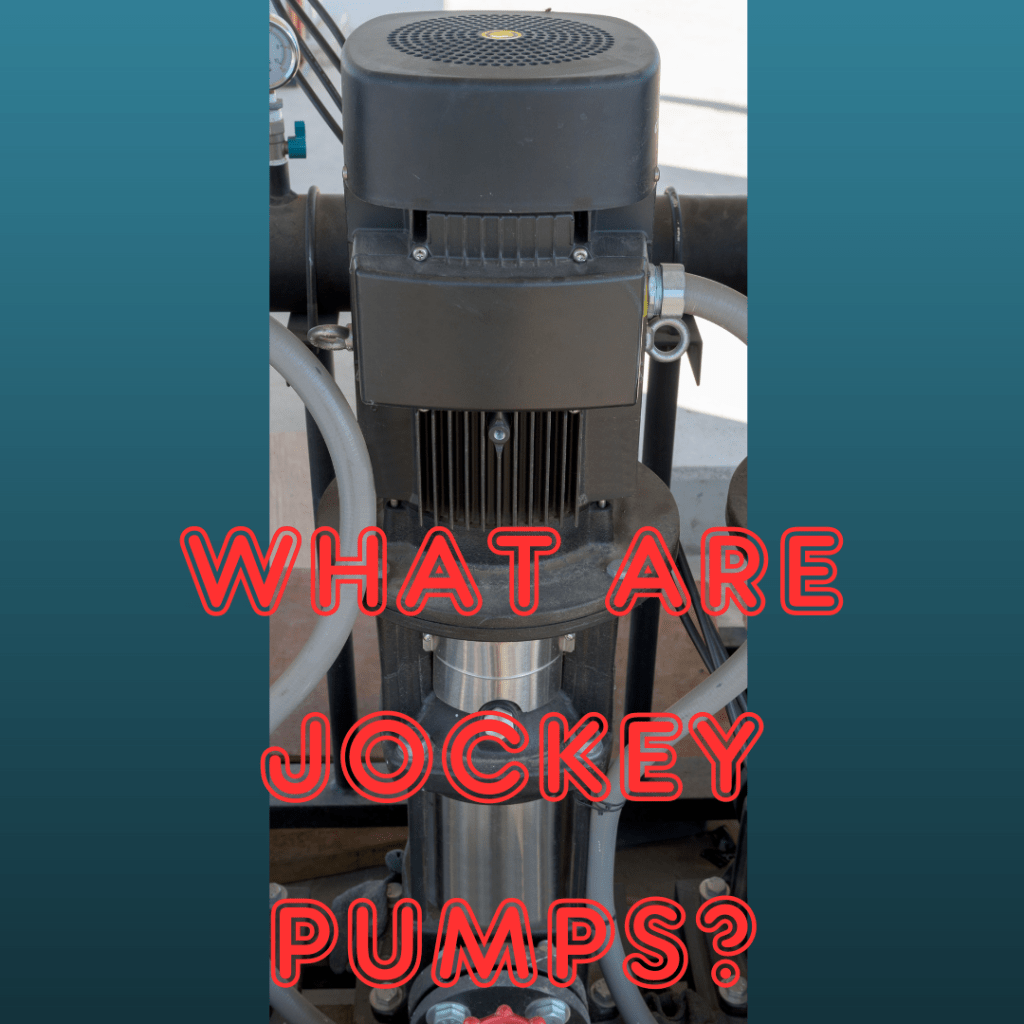
Let’s discuss the function of a “jockey pump” in a fire system at a petrochemical or power plant.

In a fire protection system at a petrochemical or power plant, a “jockey pump” serves a critical function to maintain adequate pressure and ensure the reliability of the firefighting system. Let’s dive into the details:
- Fire Protection System Overview: A fire protection system at industrial facilities like petrochemical or power plants typically consists of a network of fire hydrants, sprinklers, and firewater pumps. These systems are essential for mitigating fire risks and protecting personnel, equipment, and the environment in case of a fire emergency.
- Firewater Pumps: Firewater pumps are the backbone of the fire protection system. They are large pumps capable of delivering a significant volume of water at high pressure to the fire hydrants and sprinklers throughout the plant.
- Jockey Pump: A jockey pump is a smaller pump integrated into the fire protection system to maintain the pressure in the pipeline. It is specifically designed to keep the pressure at a constant level, usually in the range of 7 to 10 bar (100 to 150 psi), when there is no fire emergency. The jockey pump’s purpose is to compensate for minor leaks, pressure drops, and other system losses that could occur during regular operations.
- Constant Pressure Maintenance: The jockey pump works in conjunction with pressure sensors and pressure switches. When the pressure in the fire protection system drops below the desired set point, the jockey pump activates automatically to restore the pressure to the required level. This process ensures that the system is ready to respond quickly and effectively in case of a fire event.
- Efficiency and Reliability: By using a jockey pump, the fire protection system avoids unnecessary cycling of the main firewater pumps. The jockey pump can handle smaller variations in pressure, reducing wear and tear on the larger pumps and saving energy in the long run. It also helps identify potential leaks or issues in the system, allowing maintenance personnel to address them promptly.
- Automatic Operation: Jockey pumps are usually electrically driven and have automatic controls. They are connected to the firewater network and the system’s control panel. As mentioned earlier, they start and stop automatically based on pressure variations in the system.
- Integration with Main Firewater Pumps: The jockey pump works in conjunction with the main firewater pumps. If the pressure drops significantly due to a fire event, the jockey pump may not be able to maintain the required pressure on its own. In such cases, the main firewater pumps will automatically start to supply the necessary water flow and pressure to tackle the fire effectively.
In summary, the jockey pump plays a crucial role in maintaining the readiness and reliability of the fire protection system at petrochemical and power plants. By ensuring a constant pressure in the system during regular operations, it helps minimize the risk of system failures and provides a quick response in case of a fire emergency, thus safeguarding the plant, personnel, and assets.
 Energy Risk Engineering Insights