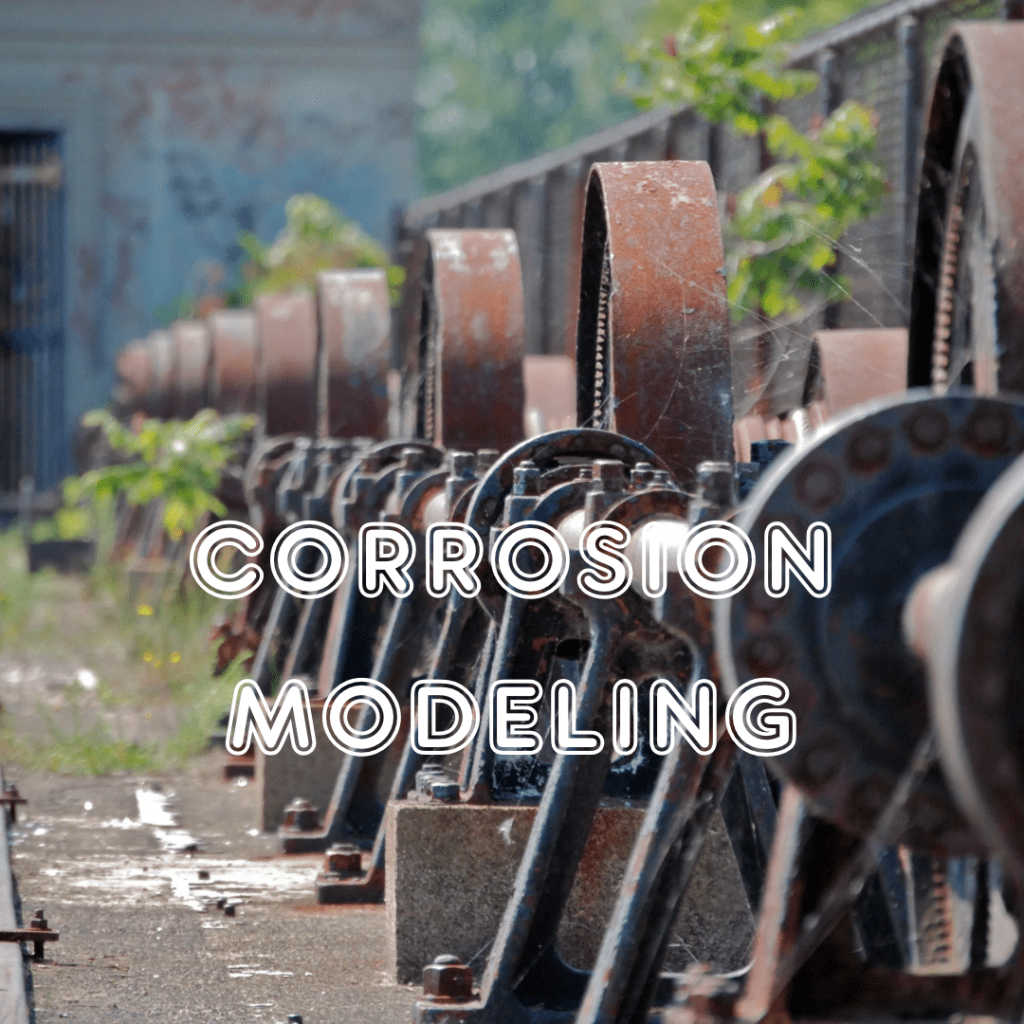
Let’s discuss corrosion modeling in the petrochemical industry.

Corrosion modeling is a crucial aspect of the petrochemical industry, as corrosion can cause significant economic losses, safety hazards, and environmental issues. By understanding and predicting the corrosion behavior of materials used in the industry, engineers and operators can take proactive measures to mitigate corrosion and ensure the integrity of their equipment and infrastructure.
There are several approaches to corrosion modeling in the petrochemical industry, and some of the key methods include:
- Electrochemical Models: These models are based on the fundamental principles of electrochemistry, which describes the interaction between metals, electrolytes (usually found in the process fluids), and the formation of corrosion products. By quantifying the electrochemical processes, engineers can estimate the corrosion rates and identify potential corrosion sites.
- Empirical Models: Empirical models are developed based on experimental data from real-world corrosion tests. These models correlate various environmental factors (e.g., temperature, pressure, fluid composition) with the observed corrosion rates to provide a more practical way of estimating corrosion behavior.
- Mechanistic Models: Mechanistic models use a more detailed understanding of the underlying physical and chemical processes involved in corrosion. They consider factors such as metallurgy, fluid flow characteristics, and mass transport phenomena to simulate corrosion behavior more accurately.
- Coupled Models: In the petrochemical industry, many corrosion scenarios involve complex interactions between multiple factors. Coupled models integrate different aspects like electrochemistry, fluid dynamics, and structural mechanics to provide a comprehensive view of corrosion in specific equipment or systems.
- Computational Fluid Dynamics (CFD): CFD simulations can help in predicting the fluid flow patterns and the distribution of corrosive agents in equipment. Understanding the flow behavior is crucial in identifying areas of localized corrosion and designing more corrosion-resistant systems.
- Machine Learning and AI: With advancements in data science, machine learning algorithms can be applied to historical corrosion data to develop predictive models. These models can identify patterns and trends that might not be apparent through traditional methods, enabling better corrosion risk assessments and preventive strategies.
It’s worth mentioning that corrosion modeling is a multidisciplinary field that requires expertise in chemistry, materials science, fluid dynamics, and engineering. Additionally, accurate modeling relies on high-quality data and information about the environment, material properties, and operating conditions.
By using corrosion modeling techniques, the petrochemical industry can make informed decisions about material selection, maintenance schedules, and corrosion mitigation strategies to prolong equipment life, improve safety, and optimize operations.
 Energy Risk Engineering Insights