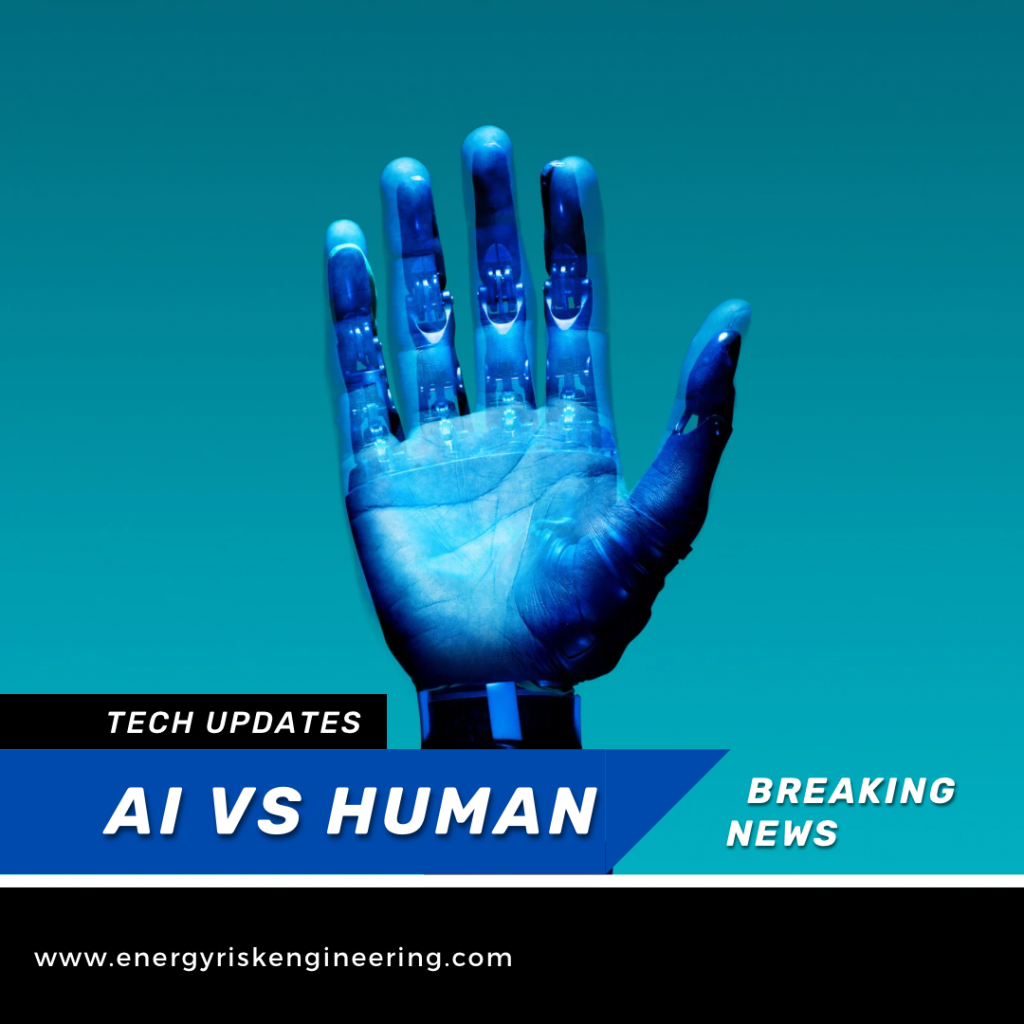
Let’s discuss AI intuition.
AI intuition refers to the ability of artificial intelligence systems to make decisions or provide responses that resemble human-like intuition. Intuition, in the context of humans, often refers to the ability to understand or know something without relying on explicit reasoning or conscious thought. It’s a form of “gut feeling” or instinctive understanding that can guide decision-making.
When it comes to AI, achieving true intuition in machines is challenging because traditional AI systems are based on algorithms and programmed rules. They operate on predefined instructions and data patterns. However, recent advancements in machine learning, particularly with deep learning and neural networks, have brought AI closer to exhibiting characteristics that could be perceived as intuition.
Here are some ways AI demonstrates aspects of intuition:
- Pattern recognition: AI models can identify patterns in large datasets, which allows them to recognize objects, speech, handwriting, and more. They can identify correlations that might not be apparent to human observers, making it seem like they “intuitively” know certain things.
- Learning from experience: Machine learning algorithms can be trained on vast amounts of data to improve their performance over time. They can learn from past experiences and adjust their behavior accordingly, which gives them a semblance of learning and adaptation similar to human intuition.
- Natural Language Processing (NLP): AI-powered language models like GPT-3 can generate human-like responses to text input. They can understand context, syntax, and semantics, allowing them to provide responses that might appear intuitive.
- Autonomous systems: AI-powered autonomous vehicles and robots can navigate complex environments and make real-time decisions based on sensor inputs. This level of decision-making can be perceived as intuition because the systems respond quickly and seemingly instinctively.
However, it is crucial to understand that AI intuition is fundamentally different from human intuition. AI systems lack consciousness, emotions, and true understanding of their actions. They can only process data and make decisions based on patterns and statistics. Their “intuition” is a result of complex mathematical computations and training data rather than genuine human-like instincts.
As AI continues to progress, researchers and developers will likely explore ways to make AI systems more capable and responsive to human needs. Ethical concerns and considerations about AI decision-making will also become more critical as these systems become more prevalent in various aspects of our lives.
 Energy Risk Engineering Insights