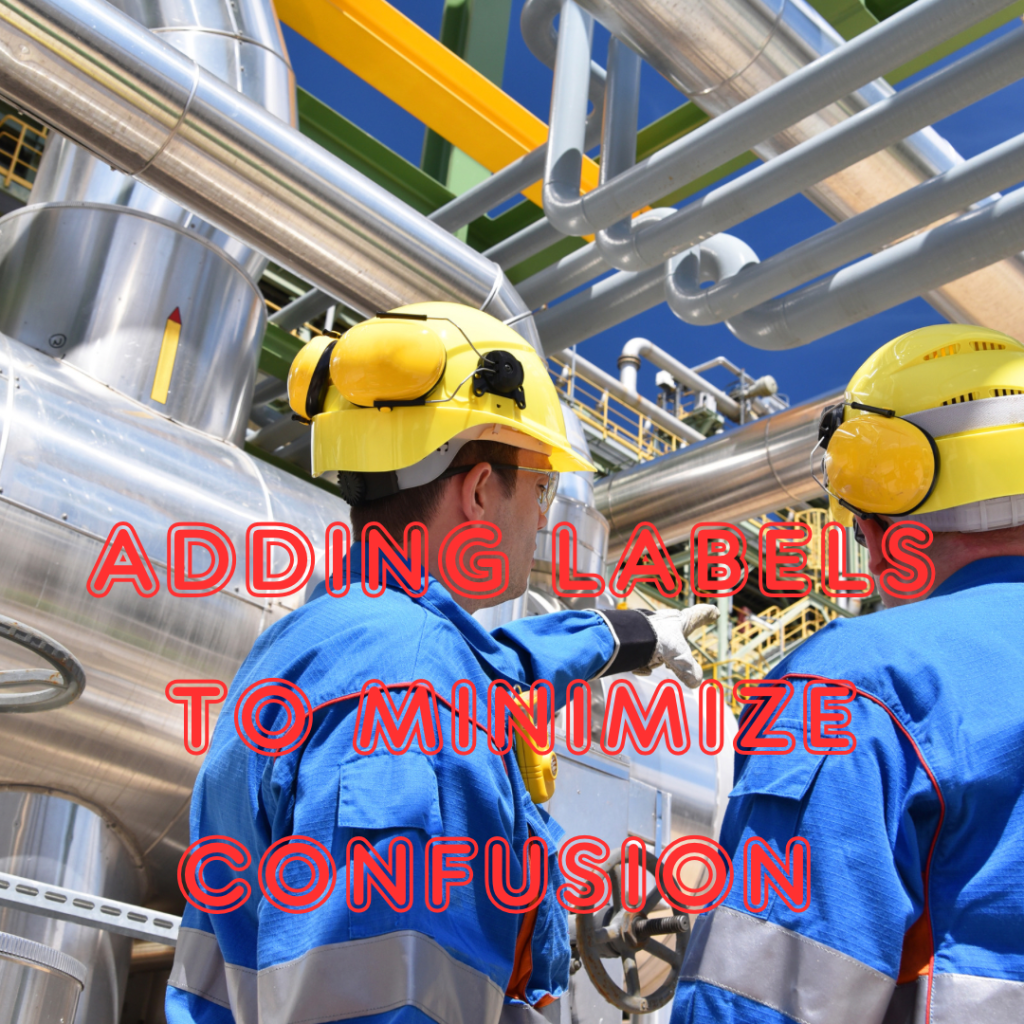
Let’s discuss equipment identification programs in power and petrochemical plants.

Equipment identification programs in power and petrochemical plants are essential for ensuring safety, efficiency, and effective maintenance operations. These programs involve the systematic labeling and identification of various equipment and components throughout the facility. Let’s delve deeper into some key aspects of these programs:
- Safety Compliance: Safety is a paramount concern in power and petrochemical plants due to the potentially hazardous nature of the processes and substances involved. Properly labeled equipment helps workers and personnel quickly identify potential hazards, take appropriate precautions, and respond effectively to emergencies.
- Asset Management: Equipment identification programs facilitate better asset management. Each piece of equipment is tagged with unique identifiers, which can be linked to detailed information about its specifications, installation date, maintenance history, and other relevant data. This enables effective inventory management, predictive maintenance planning, and streamlined procurement processes.
- Regulatory Requirements: Power and petrochemical plants are subject to strict regulations and standards imposed by various authorities. Equipment identification programs can help the facility demonstrate compliance with these regulations, as it shows a commitment to organized and transparent practices.
- Preventive Maintenance: Maintenance is a critical aspect of plant operations, as downtime can result in significant financial losses. With proper identification, maintenance teams can quickly locate and address specific equipment, reducing downtime and increasing overall plant reliability.
- Enhanced Efficiency: Time is of the essence in industrial settings. By having equipment labeled clearly and informatively, operators and maintenance personnel can quickly locate and access the necessary components, minimizing downtime and streamlining operations.
- Training and Onboarding: New employees or contractors entering the plant can benefit greatly from well-labeled equipment. It aids in their understanding of the facility’s layout, equipment location, and the purpose of different components, thus improving overall safety and efficiency.
- Integration with Digital Systems: Modern equipment identification programs can be integrated with digital systems, such as Computerized Maintenance Management Systems (CMMS) and Building Information Modeling (BIM) software. This integration allows for efficient data management, automated work order generation, and remote access to critical equipment information.
- Standardization: Implementing a uniform equipment identification program across all plant facilities can help in creating a standardized working environment. It reduces the chances of confusion, simplifies communication, and ensures consistency in maintenance practices.
- Barcoding and RFID: Some plants take equipment identification a step further by using barcoding or Radio-Frequency Identification (RFID) technology. These methods allow for quicker and more accurate data retrieval, making asset tracking and maintenance even more efficient.
- Upgrades and Expansions: As power and petrochemical plants evolve over time with equipment upgrades and expansions, a well-structured identification program makes it easier to incorporate new assets into the existing system.
Overall, equipment identification programs play a crucial role in the safe and efficient operation of power and petrochemical plants. By promoting safety, improving maintenance practices, and optimizing operations, these programs contribute to the smooth functioning of these complex industrial facilities.
 Energy Risk Engineering Insights