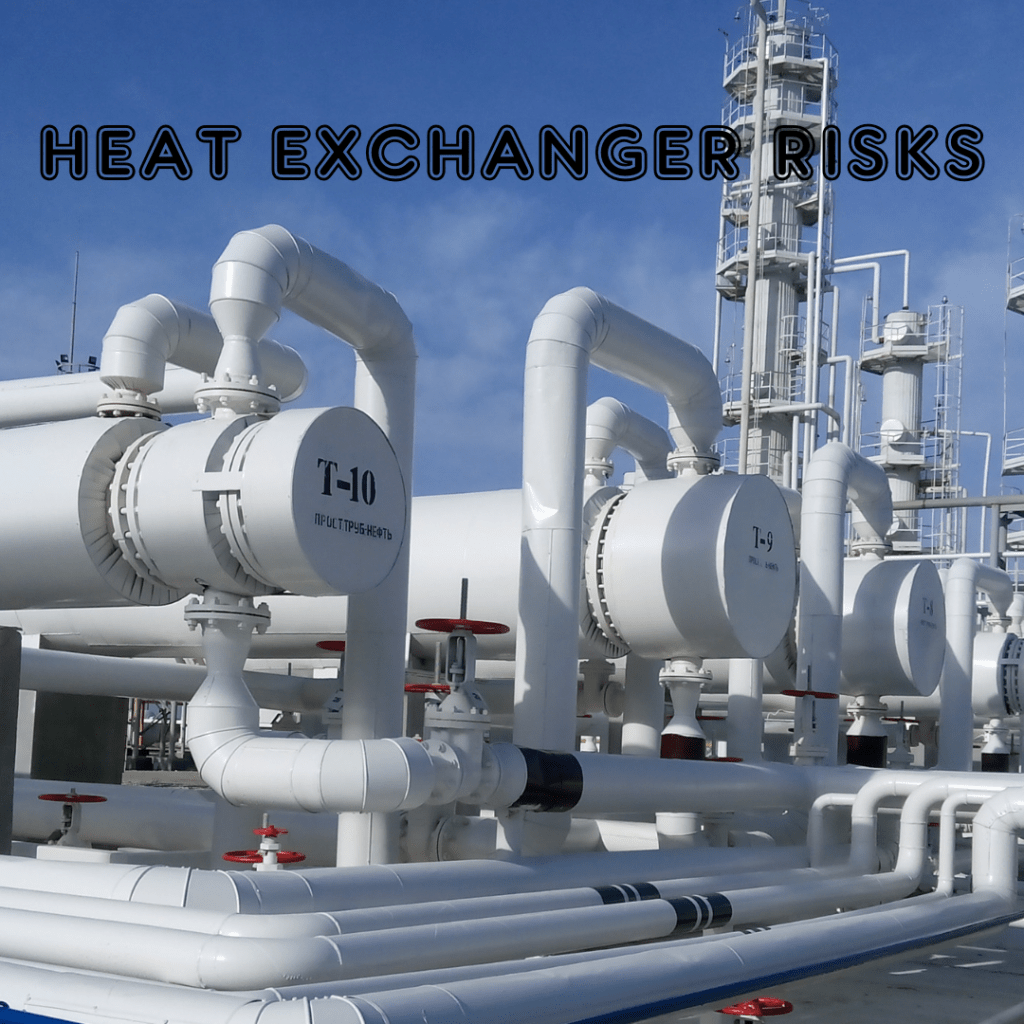
Let’s discuss heat exchanger leaks in petrochemical and power plants.

Heat exchanger leaks in petrochemical and power plants can have significant consequences and require careful consideration to prevent potential hazards and downtime. Let’s discuss this topic in more detail.
- Heat Exchangers in Petrochemical and Power Plants: Heat exchangers are critical components used in both petrochemical and power plants to transfer heat from one fluid to another. They play a vital role in various processes, including heat recovery, cooling, and condensation.
- Causes of Heat Exchanger Leaks: Heat exchanger leaks can occur due to various reasons, such as:
- Corrosion: Exposure to aggressive fluids, high temperatures, and other environmental factors can cause corrosion, leading to leaks.
- Mechanical Damage: Physical stress or impact during operation or maintenance can cause cracks or ruptures in the heat exchanger.
- Erosion: High-velocity fluid flow or particles in the fluid can cause erosion, leading to weakened areas and potential leaks.
- Manufacturing Defects: Poor workmanship or material flaws during manufacturing can result in weak points vulnerable to leakage.
- Thermal Stress: Rapid and extreme temperature changes can cause thermal fatigue and lead to leaks over time.
- Consequences of Heat Exchanger Leaks: Heat exchanger leaks can have severe consequences, including:
- Safety Hazards: Leaked fluids can be hazardous or toxic, posing risks to plant personnel and the surrounding environment.
- Production Downtime: Unplanned shutdowns to repair or replace heat exchangers can lead to significant losses in production and revenue.
- Environmental Impact: Leaked fluids can contaminate soil and water sources, potentially causing environmental damage.
- Equipment Damage: Leaks may lead to damage in other equipment and components, exacerbating the overall problem.
- Detection and Monitoring: Regular inspection and monitoring of heat exchangers are crucial to identifying potential issues before they escalate. Techniques such as non-destructive testing (NDT), vibration analysis, and thermography can help detect leaks or anomalies in heat exchangers.
- Preventive Measures: To minimize the occurrence of heat exchanger leaks, the following preventive measures can be implemented:
- Corrosion Protection: Use corrosion-resistant materials or apply protective coatings.
- Regular Maintenance: Implement scheduled maintenance, cleaning, and inspection protocols.
- Monitoring Systems: Install monitoring systems to detect leaks, pressure drops, or temperature changes.
- Proper Operation: Ensure proper operating conditions, including fluid flow rates and temperatures.
- Emergency Response and Contingency Plans: It’s crucial to have well-defined emergency response plans in case of a heat exchanger leak. This includes procedures for containment, isolation, and proper disposal of leaked fluids to minimize risks to personnel and the environment.
In summary, heat exchanger leaks in petrochemical and power plants should be taken seriously and managed proactively to ensure the safety of personnel, protect the environment, and maintain the plant’s productivity and efficiency. Regular inspection, preventive maintenance, and robust emergency response plans are essential components of a comprehensive strategy to address this issue effectively
 Energy Risk Engineering Insights