Introduction
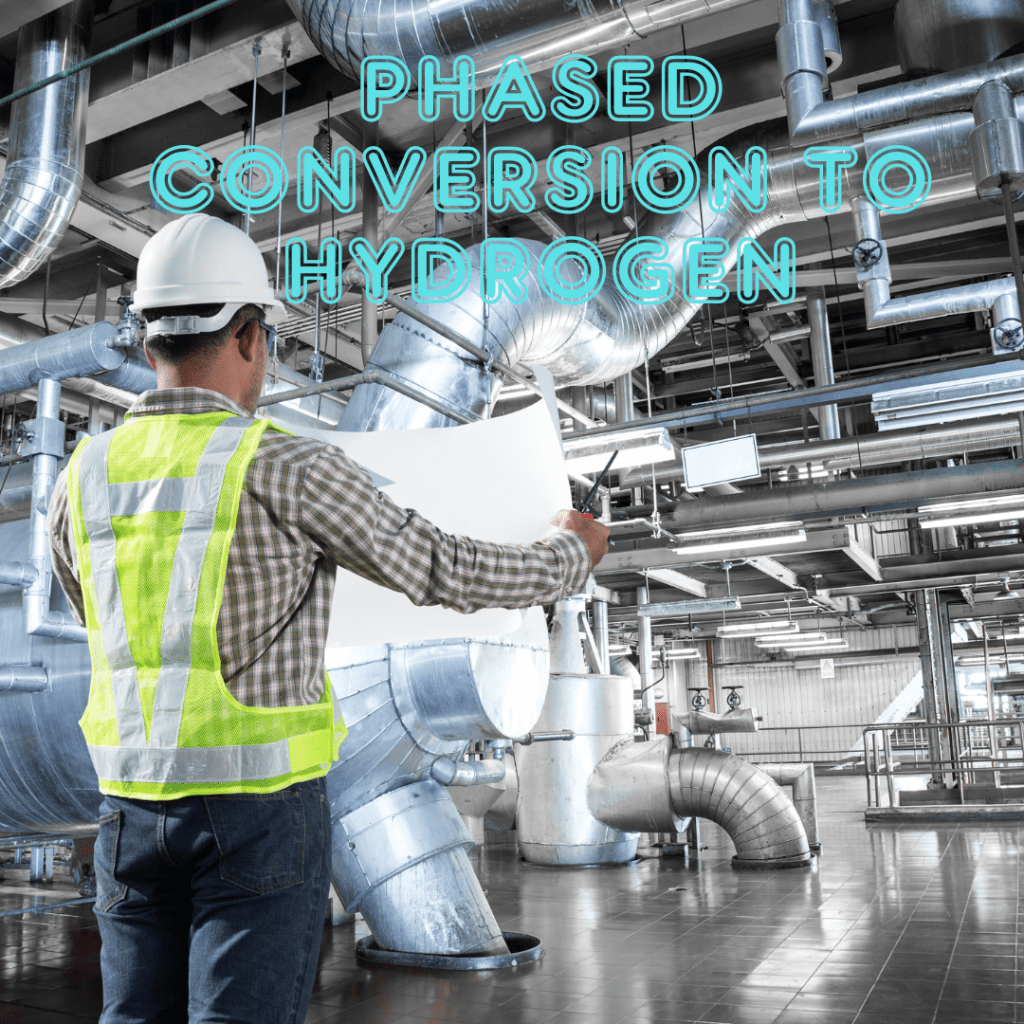
As engineers, we constantly seek innovative solutions to enhance the efficiency and sustainability of power generation. One compelling avenue is the phased conversion of combined cycle power plants to utilize a blend of hydrogen and natural gas. This approach not only capitalizes on the benefits of both fuels but also ensures a seamless transition without disrupting power supply.
Understanding the Potential
Combining the clean-burning properties of hydrogen with the reliability of natural gas presents a unique opportunity to reduce carbon emissions while maintaining grid stability. Hydrogen-rich fuels offer the promise of drastically cutting down greenhouse gas emissions and fostering a cleaner energy landscape. Natural gas, on the other hand, provides the necessary backup to ensure consistent power delivery during hydrogen supply fluctuations.
Phase 1: Infrastructure Enhancement
In the initial phase, upgrading the infrastructure becomes paramount. This involves modifications to the gas turbine combustion systems to accommodate hydrogen. Advanced fuel injectors, combustion controls, and monitoring systems are integrated to enable efficient hydrogen combustion. Additionally, the plant’s gas storage and delivery systems are adapted to handle the hydrogen-natural gas mixture.
Phase 2: Fuel Transition and Testing
During this stage, the transition to the hydrogen-natural gas blend is initiated. By starting with a low percentage of hydrogen and gradually increasing it, engineers ensure a smooth integration. Rigorous testing and monitoring of combustion performance, emissions, and overall plant operation provide critical insights into fuel blending dynamics. This testing phase helps engineers optimize combustion efficiency and ensure safe operations.
Phase 3: System Optimization
As the plant achieves higher hydrogen concentrations in the fuel mix, it enters the optimization phase. Engineers fine-tune the combustion systems, control algorithms, and safety protocols based on real-world operational data. This stage also involves addressing any challenges that may arise, such as increased wear and tear on equipment due to hydrogen’s unique combustion characteristics.
Benefits and Challenges
The phased conversion of a combined cycle power plant to burn a mix of hydrogen and natural gas offers several benefits:
- Emissions Reduction: The use of hydrogen significantly lowers carbon emissions, contributing to environmental goals.
- Diverse Energy Mix: The flexibility to adjust the hydrogen-natural gas ratio ensures stability in the face of supply variations.
- Operational Reliability: By utilizing natural gas as a backup, the power plant maintains consistent output levels, enhancing grid reliability.
However, challenges include managing hydrogen infrastructure costs, ensuring compatibility with existing systems, and addressing potential combustion instabilities associated with higher hydrogen concentrations.
Conclusion
The phased conversion of combined cycle power plants to utilize a blend of hydrogen and natural gas stands as a promising approach for achieving both environmental and operational goals. By following a structured approach encompassing infrastructure enhancement, fuel transition, and system optimization, engineers can unlock the potential of this dynamic energy mix. The future of power generation lies in our ability to engineer innovative solutions that drive efficiency, reliability, and sustainability.
 Energy Risk Engineering Insights