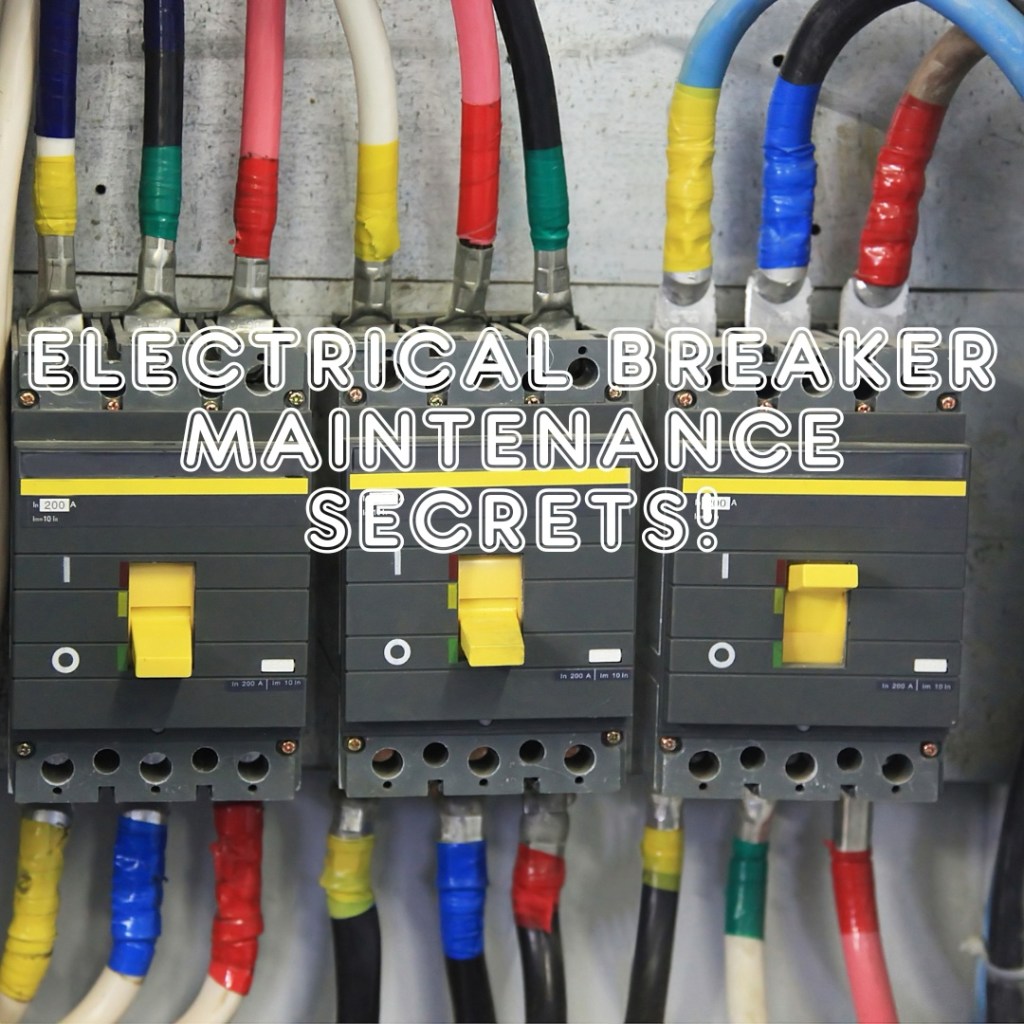
Let’s dive into electrical breaker maintenance for chemical and power plants. Electrical breaker maintenance is crucial for ensuring the safety and reliability of power distribution systems in these industrial settings. I’ll provide a detailed explanation with examples and formatting to engage fellow engineers:
1. Types of Electrical Breakers:
- Start by identifying the types of breakers used in your facility, such as circuit breakers, load break switches, or medium-voltage breakers.
2. Scheduled Inspections:
- Regular inspections are vital. Develop a schedule based on manufacturer recommendations and historical data.
- Example: In a power plant, schedule quarterly inspections of medium-voltage circuit breakers to ensure they operate within specified parameters.
3. Visual Inspection:
- Inspect for signs of wear, damage, or overheating.
- Example: Look for discoloration or corrosion on contacts, loose connections, or cracked insulation.
4. Electrical Testing:
- Utilize electrical testing equipment like insulation resistance testers and micro-ohmmeters.
- Example: Measure insulation resistance to detect any deterioration in the insulation material.
5. Lubrication and Cleaning:
- Ensure that moving parts are well-lubricated and free of dirt and debris.
- Example: Apply manufacturer-recommended lubricants to pivot points and clean out dust regularly.
6. Contact Resistance Testing:
- Perform contact resistance testing to assess the health of contacts.
- Example: Use a low-resistance ohmmeter to measure contact resistance and compare it to acceptable values.
7. Thermal Imaging:
- Use thermal imaging to detect hot spots, which could indicate problems.
- Example: Conduct annual thermal scans of switchgear to identify any abnormal temperature patterns.
8. Breaker Operation Testing:
- Test the breaker’s operational functionality, including tripping and closing mechanisms.
- Example: Test the breaker’s response time to ensure it operates within specified limits.
9. Documentation:
- Maintain detailed records of maintenance activities, test results, and any issues identified.
- Example: Create a digital database of breaker maintenance records accessible to the maintenance team.
10. Emergency Response Plan: – Develop an emergency response plan for breaker failures, including isolation procedures. – Example: In case of a critical fault, have a clear protocol for isolating the affected circuit safely.
11. Training and Qualifications: – Ensure that maintenance personnel are properly trained and qualified for breaker maintenance tasks. – Example: Provide ongoing training on the latest breaker technologies and safety procedures.
By following these steps and maintaining a proactive approach to electrical breaker maintenance, you can help minimize downtime, enhance safety, and optimize the reliability of electrical systems in chemical and power plants. It’s essential to adapt these guidelines to your specific facility and equipment.
 Energy Risk Engineering Insights