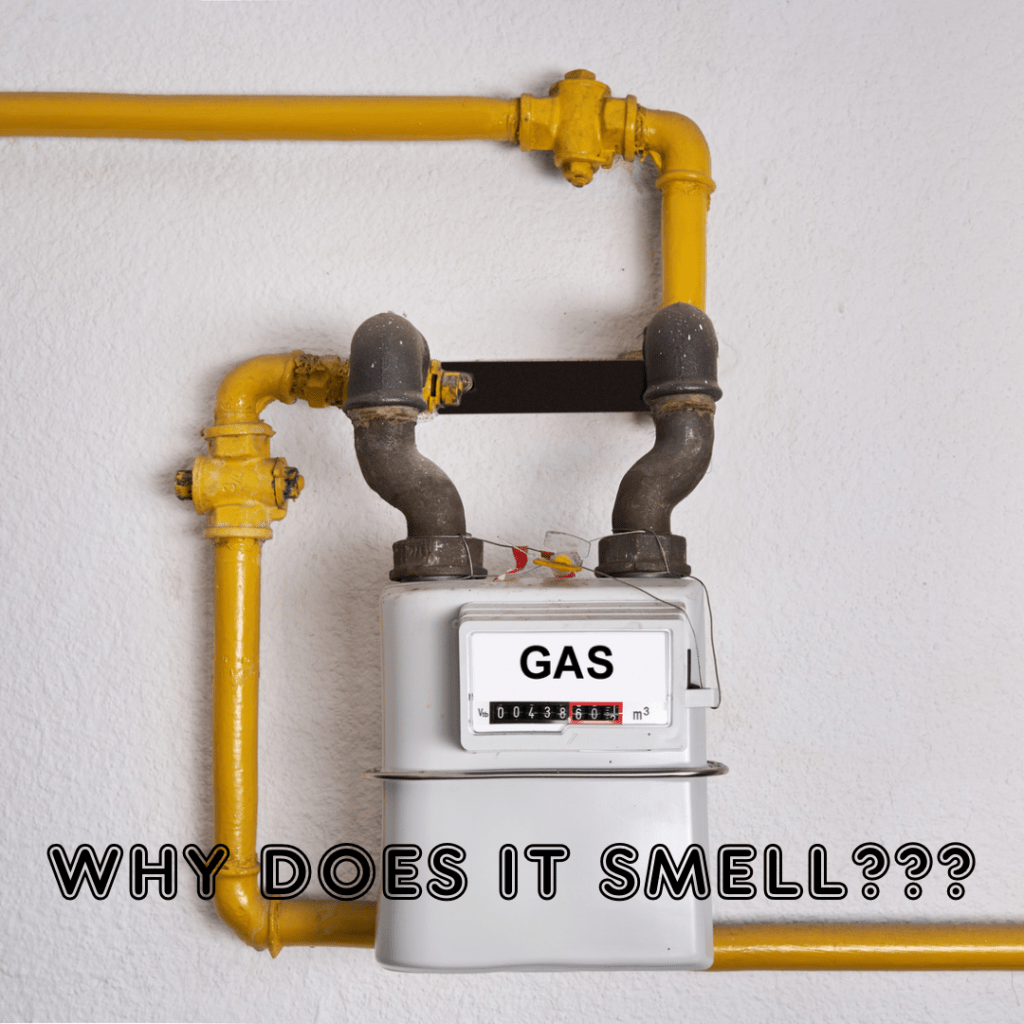
Let’s delve into natural gas odorant systems, their hazards, mitigation strategies, and the importance of employees having a normal sense of smell in maintenance.
Natural Gas Odorant Systems:
Natural gas is odorless, colorless, and tasteless, making it difficult to detect leaks. Odorant systems are crucial for adding a distinct odor to natural gas, typically described as a “rotten egg” smell. This odor allows for the early detection of gas leaks, which is essential for safety.
Hazards Associated with Natural Gas Odorant Systems:
- Inadequate Detection: If the odorant system fails or is insufficient, gas leaks may go undetected, posing a serious safety risk to both employees and the public.
- False Alarms: On the other hand, excessive odorant can lead to false alarms, causing unnecessary evacuations and disruptions.
- Health Effects: Prolonged exposure to odorants can have health effects on employees. It can cause symptoms like headaches, nausea, and eye irritation.
Mitigation Strategies:
- Regular Inspections: Ensure that odorant injection systems are regularly inspected and maintained. This includes checking for clogs, leaks, and proper dosage.
- Calibration: Calibration of odorant injection equipment is crucial to maintain the right concentration of odorant in the gas stream.
- Monitoring Systems: Implement gas monitoring systems that continuously measure gas concentrations. This can provide early warnings of any anomalies.
- Employee Training: Train employees to recognize the odor of natural gas and respond appropriately to leaks. They should also be educated on the potential health effects of prolonged exposure to odorants.
- Emergency Response: Develop a robust emergency response plan that includes procedures for gas leak detection and evacuation in case of a leak.
Importance of a “Normal Sense of Smell” for Maintenance Employees:
Maintenance employees working on odorant systems must have a normal sense of smell for several reasons:
- Quality Control: Detecting the correct odorant concentration during maintenance is crucial to prevent under or over-odorization.
- Safety: A normal sense of smell helps employees detect gas leaks in their early stages, reducing the risk of accidents.
- Health Considerations: Employees need to be aware of the potential health effects of odorant exposure and take necessary precautions.
In conclusion, natural gas odorant systems are vital for safety, but they also come with their set of hazards. Proper maintenance, monitoring, and employee training are essential to ensure these systems operate effectively and safely, with the added importance of maintenance employees having a normal sense of smell to carry out their duties effectively.
 Energy Risk Engineering Insights