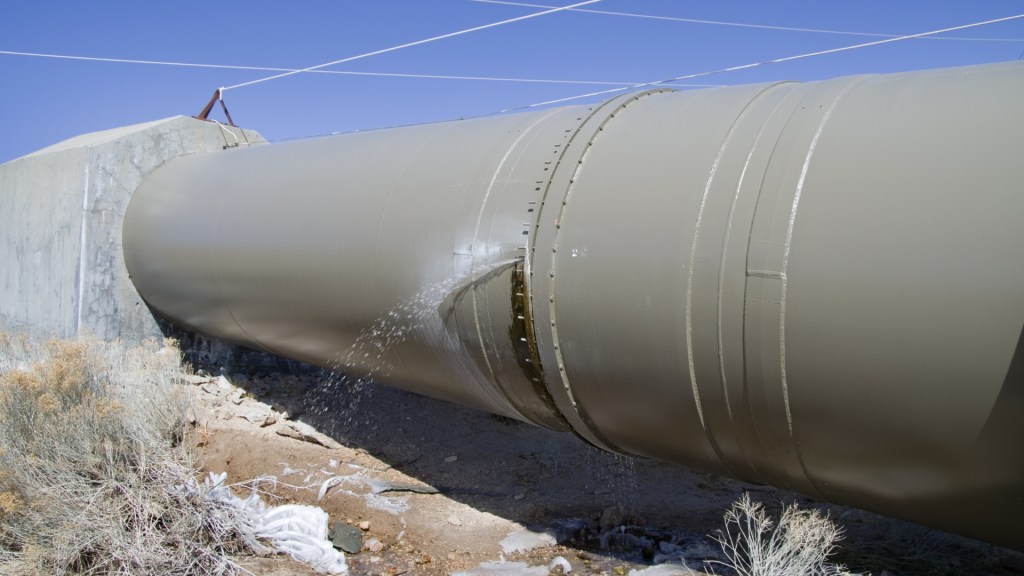
Leak Detection and Repair (LDAR) Program12:
- An LDAR program is a systematic approach implemented by industries to identify and address leaks in their equipment and facilities2.
- The program involves regular inspections using specialized tools and techniques to detect emissions of gases or vapors that may indicate leaks2.
- The main goal of an LDAR program is to reduce emissions of volatile organic compounds (VOCs) and hazardous air pollutants (HAPs) that can harm the environment and pose health risks1.
Mechanical Integrity (MI) Program34:
- An MI program is the management of critical process equipment to ensure it is designed, installed, operated, and maintained properly4.
- MI includes any and all equipment/assets used to produce products made from specific quantities of defined hazardous materials on the list covered by the Process Safety Management (PSM) standard3.
- The main goal of an MI program is to prevent equipment failure, which can lead to operational disruptions, safety incidents, and financial losses3.
Similarities:
- Both LDAR and MI programs aim to ensure the safe and efficient operation of industrial facilities.
- They both involve regular inspections and maintenance activities.
- Both programs require proper documentation and record-keeping.
Differences:
- While an LDAR program focuses on detecting and repairing leaks to reduce emissions, an MI program focuses on maintaining the integrity of equipment to prevent failures.
- The scope of an MI program is usually broader, covering all equipment used in a facility, while an LDAR program specifically targets components that could leak gases or vapors13.
- The regulations and standards governing LDAR and MI programs may differ, reflecting their different objectives and areas of focus13.
 Energy Risk Engineering Insights