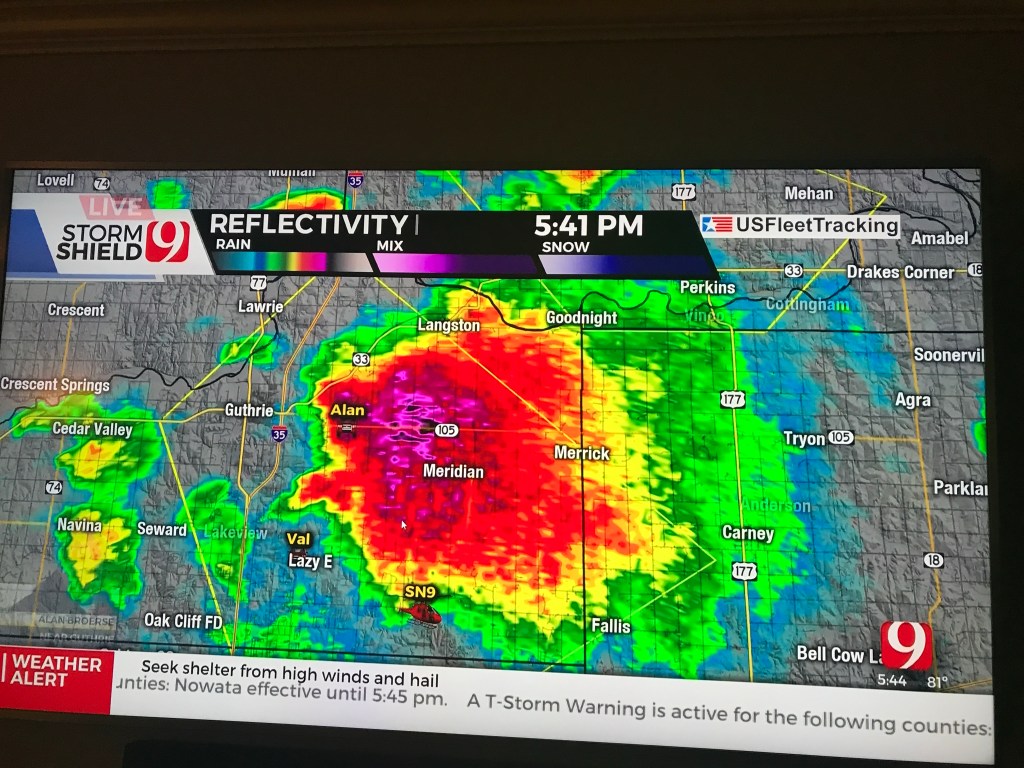
As solar farms expand into regions prone to hailstorms, damage mitigation has become a critical engineering focus for solar installations. Two prominent approaches for managing hail damage are BiFacial Vertical Mounted Solar Panels and Hail Stow Racking Systems. This article compares these technologies, focusing on their performance in hail-prone environments, with a clear emphasis on how each addresses the unique threats posed by hail.
1. BiFacial Vertical Mounted Solar Panels
Overview
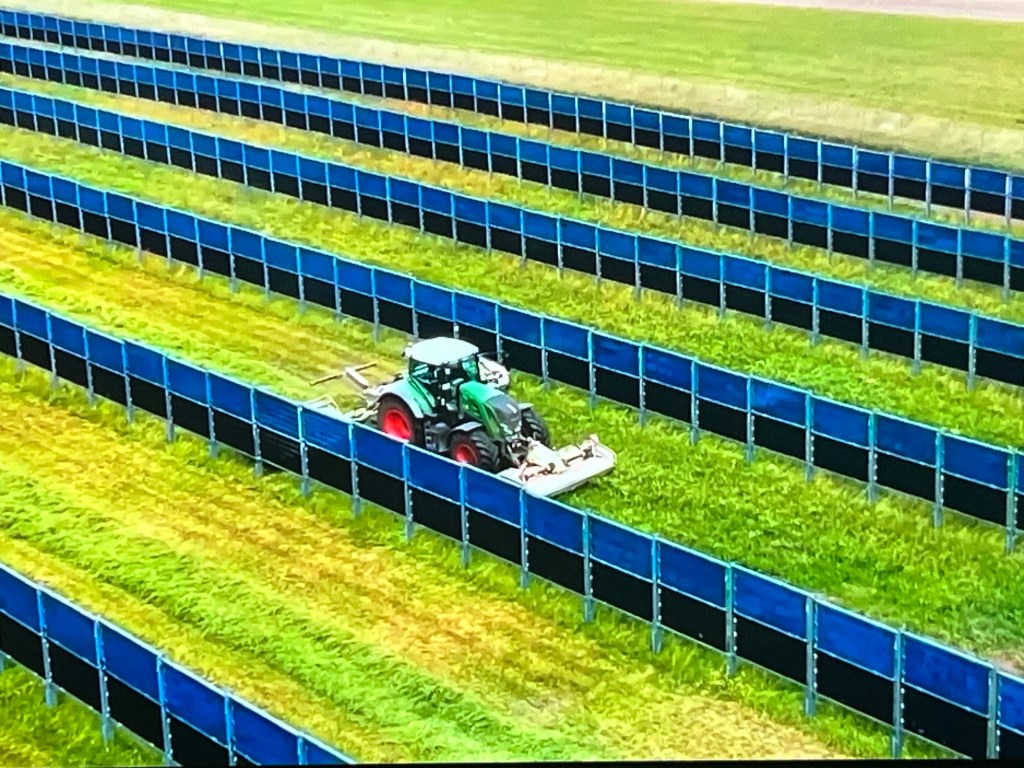
BiFacial Vertical Mounted Solar Panels are designed to absorb sunlight on both sides of the panel, often mounted in a vertical configuration. This design provides a unique advantage in mitigating hail damage by naturally reducing the panel’s exposure to falling hailstones.
Advantages for Hail Damage Mitigation
- Minimal Exposure Area: The vertical orientation of these panels drastically reduces the surface area facing the sky. Given that large hailstones tend to fall straight down due to gravity, vertical mounting offers significant protection as only the narrow edge of the panel faces the hail.
- Deflection of Hail Impacts: When hail does strike the panel, the vertical position often results in glancing impacts. This reduces the energy of the hailstone’s blow, minimizing the chance of fractures or surface damage.
- Enhanced Material Durability: Bifacial panels often feature tempered glass on both sides, which adds a layer of durability and impact resistance, especially when installed vertically. This construction improves resilience to hail, which can otherwise cause microcracks and performance degradation in traditional panels.
- Low Maintenance for Hail-Prone Regions: Vertical panels, being fixed installations, avoid the mechanical complexity of tracking systems. This makes them a lower-maintenance solution, particularly in hail-prone areas where simplicity can be an advantage.
Challenges
- Location-Specific Output: Vertical mounting may slightly reduce energy output compared to traditional tilted arrays, depending on the region’s sun exposure patterns. However, this is often an acceptable trade-off in regions where weather durability is more critical than maximizing solar gain.
- Edge Protection: The edges of vertically mounted panels are still exposed, so robust design measures, such as reinforced framing and thicker glass, are needed to protect these vulnerable areas from direct hail impacts.
Engineering Considerations
- Material Selection: Panels should be constructed with high-quality tempered glass and reinforced frames to mitigate any edge vulnerability.
- Wind and Structural Stability: Vertical panels face higher wind loads during storms. Structural anchoring and racking systems should be carefully designed to ensure long-term stability.
2. Hail Stow Racking Systems
Overview
Hail Stow Racking Systems are designed to reposition solar panels at high angles when a hailstorm is detected. The goal is to minimize the surface area exposed to falling hail, presenting the narrowest possible profile to the sky.
Advantages for Hail Damage Mitigation
- Optimal Angling for Hail Protection: When a hailstorm is detected, the stow system moves the panels to a near-vertical or maximum tilt angle, reducing the surface area facing the sky. Since hailstones typically fall straight down, this orientation dramatically limits the panel’s exposure to impact.
- Automated Protection: These systems can be programmed to adjust the panel angle automatically in response to hailstorm alerts. This proactive approach ensures the system responds rapidly and efficiently, minimizing damage before the storm hits.
- Protection During Severe Events: Even in the case of large hailstones, presenting the panel at a high angle allows hail to glance off or miss entirely, rather than hitting directly. This is particularly effective for frequent, high-intensity hail events.
Challenges
- System Complexity and Cost: Hail stow systems involve moving parts—motors, sensors, and control algorithms—making them more complex and expensive than fixed systems. This adds initial capital costs and ongoing maintenance concerns.
- Potential Failure Modes: In some cases, systems may fail to move into stow position if a storm arrives unexpectedly, or due to mechanical issues. Ensuring redundancy and system reliability is critical in hail-prone regions.
- Limited Effectiveness Against Wind-Driven Hail: While the high angle provides excellent protection against straight-falling hail, wind-driven hail may still impact the panels at a vulnerable angle. However, most hail events are dominated by vertically falling hail, so this risk is generally lower.
Engineering Considerations
- Control System Reliability: Operators should ensure their stow systems are highly reliable, with backup power and redundant systems in case of mechanical failure or power loss during storms.
- Material Durability: Even with the stow feature, panels should be constructed with impact-resistant glass to handle any residual hail impacts that occur while the panels are repositioned.
Conclusion
When evaluating hail damage mitigation strategies, BiFacial Vertical Mounted Solar Panels present a clear advantage in simplicity, robustness, and protection. Their vertical orientation minimizes the surface area exposed to hail, and the inherent durability of bifacial glass panels provides added defense. These systems are particularly advantageous in areas where hail events are infrequent but potentially severe, offering low-maintenance protection against hail damage.
Hail Stow Racking Systems, on the other hand, are ideal for regions where hail events are frequent and high-angle stowage is necessary to protect the array. However, the complexity and higher costs of these systems make them better suited for areas with consistent hail threats. The dynamic ability to reduce panel exposure before a storm offers significant protection, though the system’s reliability and maintenance must be prioritized.
Both systems provide effective mitigation against hail damage, but bi-facial vertical mounting offers a simpler, more inherently resilient solution, while hail stow systems offer dynamic protection for areas with constant hail risk. Engineers should assess the frequency and severity of hail in their region to choose the most effective strategy for their solar farms.
 Energy Risk Engineering Insights