Overview
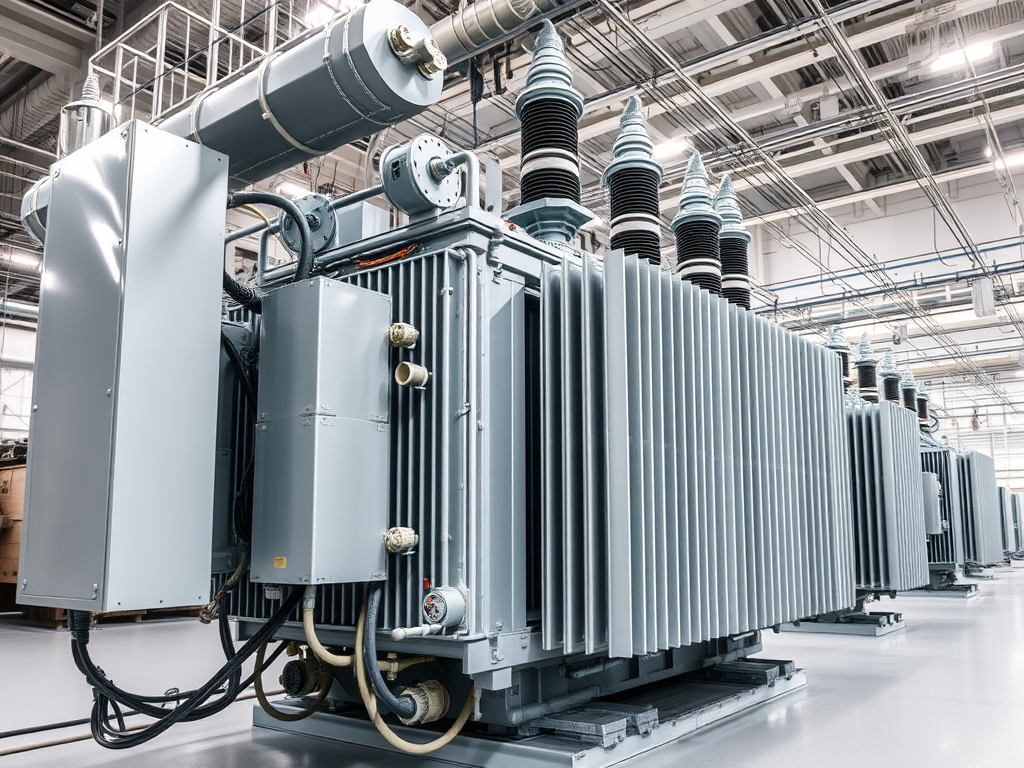
This document outlines an asset integrity management program for transmission transformers serving a large metropolitan area. The program covers key considerations around maintenance, age, operating history, and operating profile, as well as when to implement advanced diagnostics and budget for equipment replacement.
Maintenance
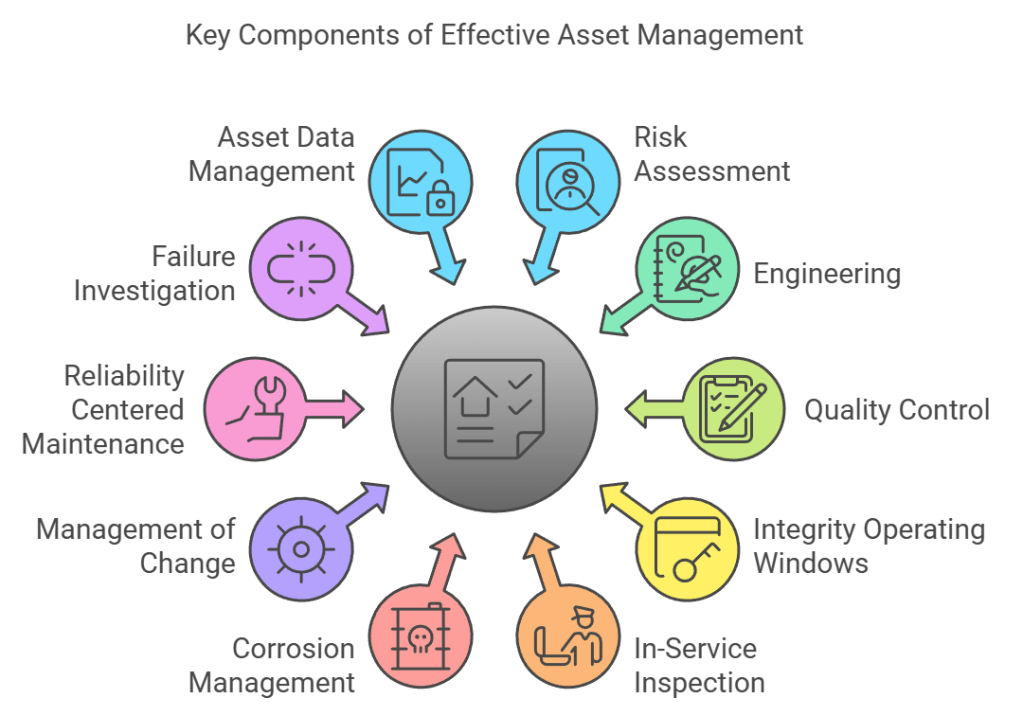
Regular maintenance is crucial for ensuring the reliable operation of transmission transformers. The maintenance program should include:
- Annual inspections to check for oil leaks, loose connections, and other visible issues
- Routine oil testing and analysis to monitor insulation health and identify any contamination
- Tap changer maintenance and testing on a 2-3 year cycle
- Thermographic imaging to identify any hot spots or uneven loading
Maintenance activities and findings should be thoroughly documented in the asset management system.
Age and Operating History
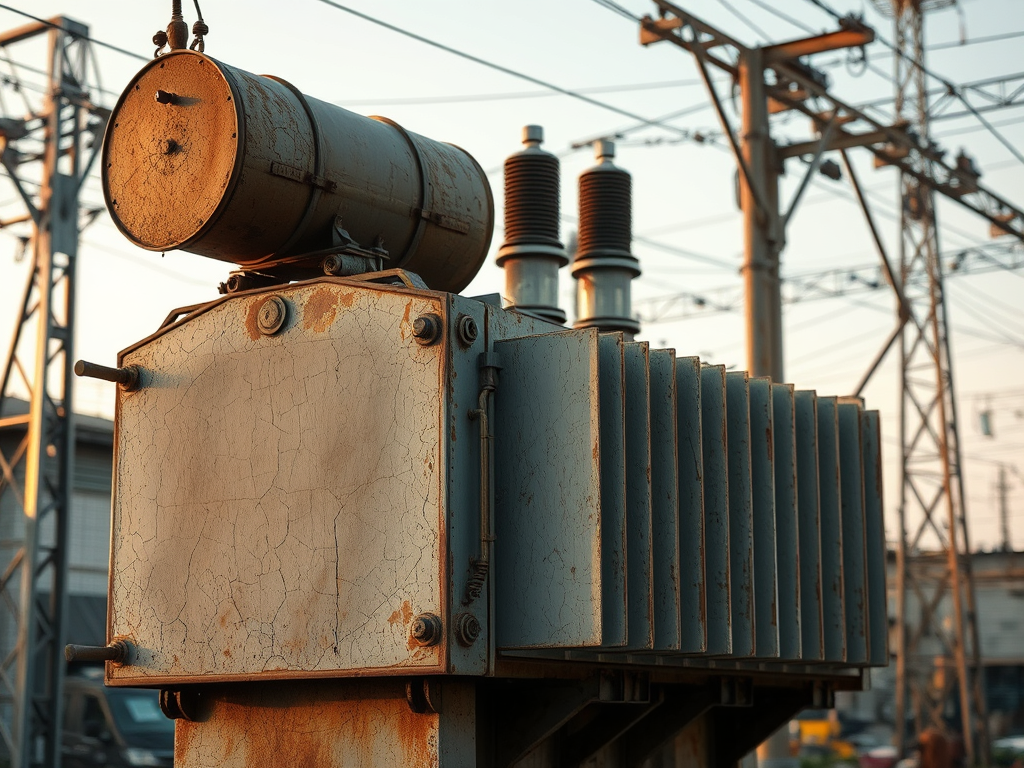
The average age of the transformer fleet in this metropolitan area is 25 years, with some units dating back to the 1980s. Older transformers require closer monitoring and more intensive maintenance to manage the increased risk of failure.
The operating history of each transformer should be tracked, including:
- Total operating hours
- Number of load cycles and magnitude of load swings
- Occurrence and duration of overloading events
- History of maintenance activities and any repairs
This operating data can help predict remaining useful life and identify units that may require accelerated replacement.
Operating Profile
The metropolitan area experiences significant seasonal load variations, with peak loads in the summer months due to air conditioning demand. Transformers are often operated near their nameplate rating during these peak periods.
Additionally, the prevalence of distributed energy resources, such as solar PV, has introduced more variability and rapid changes in the net load seen by the transmission system. This “renewable integration” has placed additional stress on transformer assets.
Closely monitoring the transformer loading profile, including maximum loads, rapid load changes, and number of load cycles, is essential for managing asset health.
Advanced Diagnostics
As the transformer fleet ages, implementing advanced diagnostic techniques can provide valuable insights into asset condition. Partial discharge monitoring is recommended for transformers over 20 years old or operating at or near their rated capacity. Partial discharge analysis can identify incipient insulation issues before they lead to catastrophic failures.
Equipment Replacement Planning
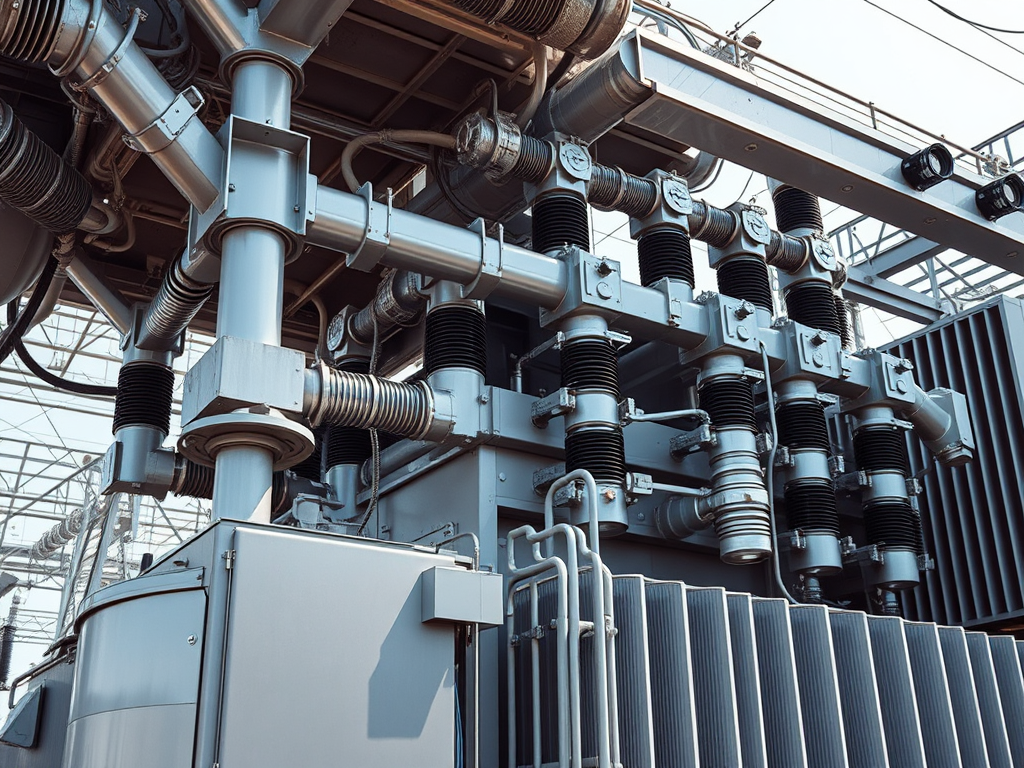
Based on the age, operating history, and condition monitoring data, it is recommended to start budgeting for equipment replacement 24-36 months in advance of the targeted replacement date.
Lead times for 100 MVA transmission transformers can be 24 months or longer due to the complex manufacturing process and high global demand. To ensure reliability and avoid emergency replacements, the utility should have a well-defined long-term capital plan that accounts for this lengthy lead time.
 Energy Risk Engineering Insights