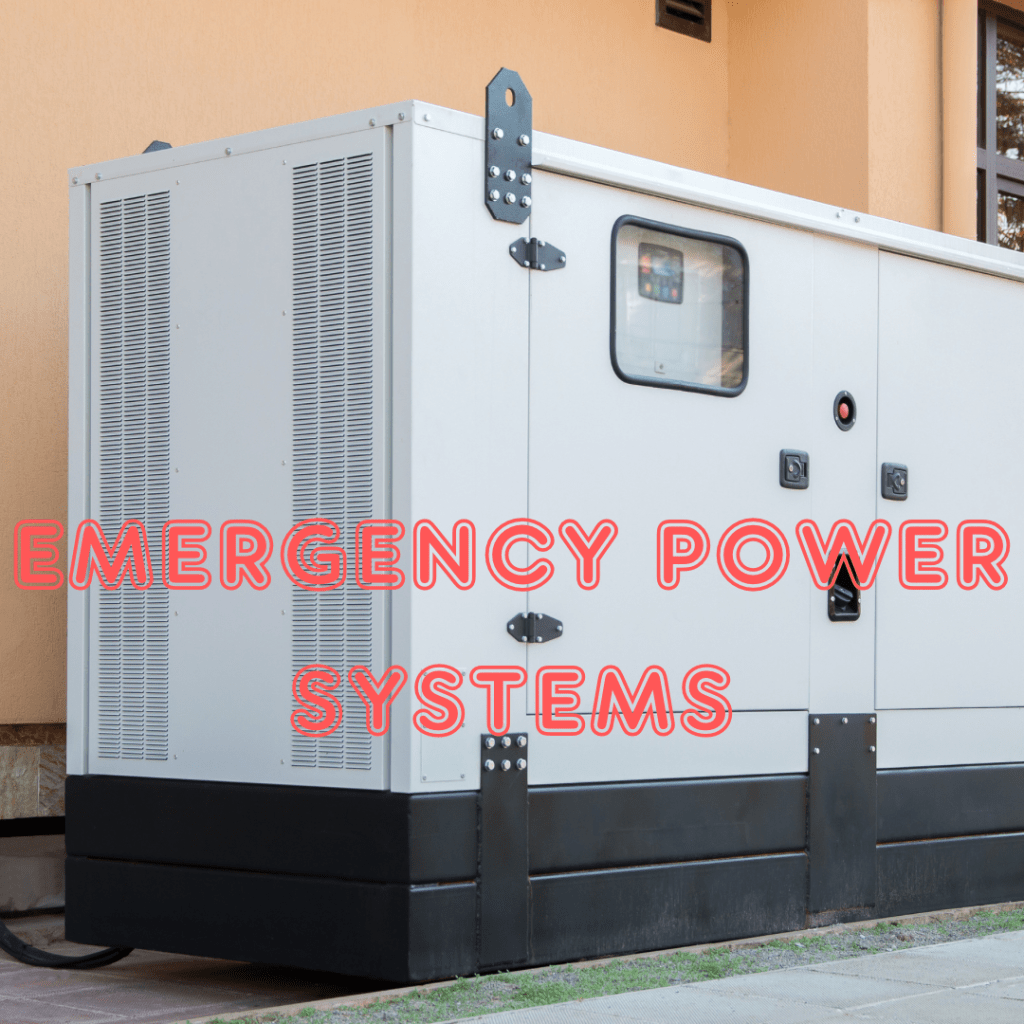
Let’s discuss emergency power systems in power plants and refineries for when the grid is black.

Emergency power systems play a critical role in power plants and refineries to ensure continuous operation during grid blackouts or other unforeseen events. These systems are designed to provide backup electrical power to essential equipment, enabling safe shutdown procedures, preventing damage to equipment, and maintaining operational control until the main power source is restored.
Here are some key aspects to consider when discussing emergency power systems in power plants and refineries:
- Uninterruptible Power Supply (UPS): Power plants and refineries often employ UPS systems to provide short-term power backup. UPS systems use batteries to supply immediate power in the event of an electrical grid failure. They offer protection against brief power interruptions and bridge the gap until backup generators start operating.
- Backup Generators: Backup generators are the primary source of emergency power in power plants and refineries. These generators are typically fueled by diesel, natural gas, or other fuels and are designed to provide a reliable and continuous power supply for extended periods. Backup generators are usually connected to essential equipment through automatic transfer switches (ATS), which seamlessly transfer the load from the main power source to the backup generators when the grid fails.
- Redundancy and Capacity: To ensure reliability, emergency power systems in power plants and refineries often incorporate redundancy. Redundant backup generators and distribution systems are employed to mitigate the risk of a single point of failure. Additionally, the capacity of the emergency power system should be carefully planned to support critical operations, including safety systems, control rooms, essential equipment, and critical infrastructure, during a blackout.
- Fuel Storage and Delivery: Adequate fuel storage is crucial for backup generators. Power plants and refineries typically maintain on-site fuel storage tanks that are regularly inspected and maintained to ensure an uninterrupted fuel supply during emergencies. Robust fuel delivery systems, such as pipelines or trucking operations, should be in place to replenish fuel reserves as needed.
- Maintenance and Testing: Regular maintenance and testing are essential to ensure the reliability of emergency power systems. Scheduled inspections, load bank testing, and exercising the backup generators under simulated blackout conditions help identify and rectify any issues proactively. These measures ensure that the emergency power systems are ready to perform when needed.
- Compliance and Safety: Emergency power systems in power plants and refineries must adhere to relevant safety regulations and industry standards. Compliance with codes such as the National Electrical Code (NEC) and other applicable regulations ensures the systems are properly designed, installed, and maintained. Adequate safety measures, including fire suppression systems and ventilation, should be in place to address potential hazards associated with emergency power systems.
It’s important to note that the specific design and configuration of emergency power systems may vary depending on the size, complexity, and criticality of the power plant or refinery. Engineering professionals with expertise in power systems and electrical infrastructure play a crucial role in designing and maintaining these systems to ensure reliable operation during grid blackouts or emergencies.
 Energy Risk Engineering Insights
It is very useful
LikeLiked by 1 person