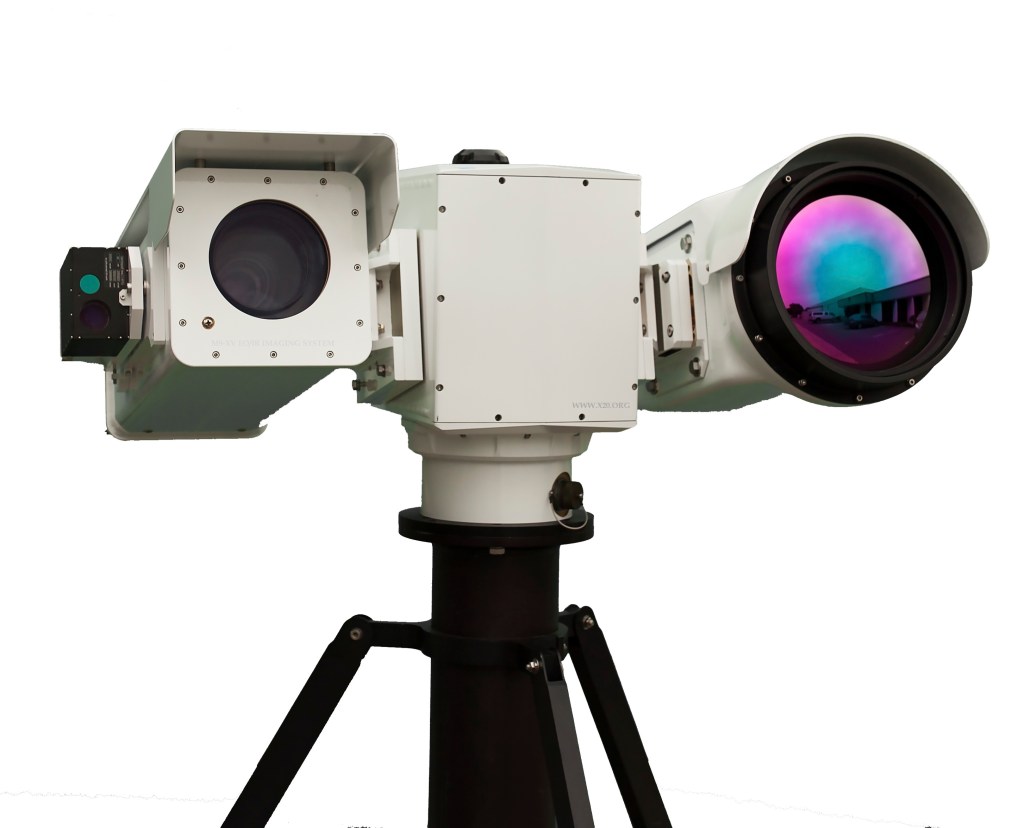
It’s critical to recognize the unique challenges posed by solar power plants, particularly in areas prone to frequent fires. A key tool in mitigating these risks may be the use of stationary thermal cameras. These devices offer continuous monitoring capabilities, allowing operators to detect hot spots and potential fire hazards in real-time, thus significantly reducing the risk of undetected fires causing extensive damage.
The Role of Thermal Cameras
Thermal cameras are essential in environments where the risk of fire is heightened due to natural factors like dry vegetation. They function by detecting infrared radiation, which allows them to identify temperature differences across surfaces. In solar power plants, these cameras are typically mounted on stationary positions, providing a constant eye over critical areas such as:
- Underneath solar modules: where dry grass and vegetation can accumulate.
- Around electrical connections: where heat build-up can signal faulty connections or components.
- In proximity to combustible materials: that could ignite from nearby heat sources.
Importance of Range in Thermal Cameras
The effectiveness of thermal cameras largely depends on their range and sensitivity. Range here refers to the camera’s ability to detect temperature variations over a distance. For solar power plants, where the spread of the installation can be extensive, it’s crucial to choose a camera with an appropriate range to cover large areas effectively.
- Short-range cameras (up to 50 meters): Ideal for smaller installations or areas with dense vegetation where close monitoring is required. These cameras are effective in pinpointing hot spots under and around solar modules where fire hazards are most likely to originate.
- Medium-range cameras (50-200 meters): Suitable for medium-sized installations or for monitoring specific high-risk areas like cable trays or transformers. These cameras can cover more ground while still providing detailed thermal images.
- Long-range cameras (200+ meters): Best for large solar power plants where wide-area monitoring is necessary. These cameras can scan vast areas, detecting temperature anomalies that could indicate a potential fire hazard before it spreads.
Specific Use Case: Fire Detection in Dry Grass
Consider a solar power plant situated in an area with frequent wildfires. The grass beneath the solar modules, if kept under 6 inches, may not pose an immediate threat, as the heat released by such small fires is often insufficient to damage the structure. However, if the grass grows to 12 inches or more, the fire risk increases significantly. A fire in taller grass can easily generate enough heat to cause serious damage to the modules, trackers, and wiring.
For such scenarios, a thermal camera with a medium to long-range capability is recommended. These cameras can monitor the perimeter of the solar array as well as the areas directly under the modules. The thermal sensitivity of the camera should also be high enough to detect minor temperature differences, which can be an early indicator of a fire starting in the vegetation.
Best Practices for Integration
- Mounting: Thermal cameras could be mounted at strategic locations to cover both the ground and the lower edges of the solar modules. This positioning ensures that any increase in temperature, whether from a fire beneath the panels or from faulty electrical components, is quickly detected.
- Continuous Monitoring and Alerts: The thermal imaging system should be integrated with the plant’s monitoring systems to provide real-time alerts. This allows for immediate action, whether it’s deploying a fire suppression system or notifying the fire department.
- Regular Calibration and Maintenance: To ensure accuracy, thermal cameras must be regularly calibrated and maintained. This includes cleaning lenses, checking for software updates, and verifying the camera’s sensitivity settings.
Conclusion
In conclusion, the deployment of stationary thermal cameras in solar power plants is a potential component of fire risk management. By choosing the appropriate range and ensuring proper installation and maintenance, these systems can provide early detection of hot spots and fires, thereby protecting the integrity of the plant and preventing costly damage. Given the frequency of fires in certain locations, this technology just might be an option for ensuring the safety and longevity of solar power installations.
 Energy Risk Engineering Insights